How to Choose the Best Packaging for Your Product in 2026?
Choosing the right packaging is crucial for your product's success in 2026. In a rapidly evolving market, considerations like sustainability, functionality, and design play pivotal roles. Renowned packaging expert Emily Wang from "you packaging" emphasizes, "The right packaging can transform a product's market appeal." Her insight reflects the importance of choosing wisely.
As consumers become more eco-conscious, sustainable options are no longer optional. Brands are under pressure to innovate. Yet, many still hesitate, often overthinking their choices. They must ask, "What message does my packaging send?" This reflection can lead to meaningful design changes.
Quality packaging not only protects products but also enhances brand identity. However, it is easy to get lost in trends. Companies might follow fads without considering their unique needs. Balancing aesthetics with functionality can be tricky. Engaging with experts in "you packaging" can help navigate these complexities.

Understanding the Evolving Consumer Preferences in 2026 Packaging
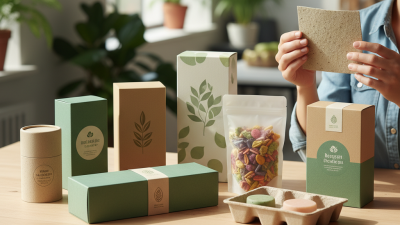
In 2026, packaging choices must reflect a deep understanding of consumer preferences. Sustainability is at the forefront. Many consumers now favor eco-friendly materials. They seek out products that minimize environmental impact. Biodegradable options or recyclable packaging can drive purchasing decisions. This shift requires brands to rethink their strategies.
Moreover, aesthetic appeal remains crucial. Packaging that is visually engaging attracts attention on crowded shelves. Unique designs and colors resonate well with younger consumers. Yet, brands should tread carefully. Not every bold design successfully communicates product values. Simplicity can also convey sophistication, appealing to diverse audiences.
Authenticity plays a key role in consumer trust. Today’s buyers are more informed and questioning. They seek transparency in sourcing and production. Brands must clearly communicate their messaging. Misleading claims can lead to backlash. Engaging storytelling through packaging can help establish a genuine connection. Consumers are drawn to stories that reflect their values and lifestyle choices.
How to Choose the Best Packaging for Your Product in 2026? - Understanding the Evolving Consumer Preferences in 2026 Packaging
| Packaging Type |
Sustainability Rating |
Cost (per unit) |
Consumer Preference (%) |
Shelf Life (months) |
| Biodegradable Plastic |
4.5 |
$0.30 |
70% |
12 |
| Recycled Cardboard |
4.2 |
$0.20 |
65% |
6 |
| Glass |
4.8 |
$0.50 |
80% |
24 |
| Metal |
4.6 |
$0.60 |
75% |
18 |
| Compostable Film |
4.3 |
$0.35 |
68% |
12 |
Sustainable Materials: The Key to Eco-Friendly Product Packaging
Sustainable packaging is no longer a trend; it’s a necessity. In 2026, consumers increasingly seek eco-friendly options. Brands must adapt to this demand. Sustainable materials can be made from recycled sources or renewable resources. This reduces waste and pollution. Choosing the right materials is crucial for long-term success.
Consider biodegradable options. They break down more easily than traditional plastics. Many products now utilize materials like cornstarch or mushroom-based packaging. However, not all eco-friendly materials perform equally. Sometimes, they may not offer the same durability as conventional options. Testing is essential to find the balance between sustainability and functionality.
Another aspect to think about is design. Packaging should be attractive but also minimal. Over-packaging can waste materials. Aim for designs that use fewer resources and enhance the unboxing experience. Moreover, consider consumer feedback. Engaging with your audience can reveal their preferences for sustainable options. Listening to their insights can guide future packaging decisions.
Sustainable Packaging Materials Usage by Year
This chart displays the increasing usage of sustainable materials in product packaging from 2020 to 2026.
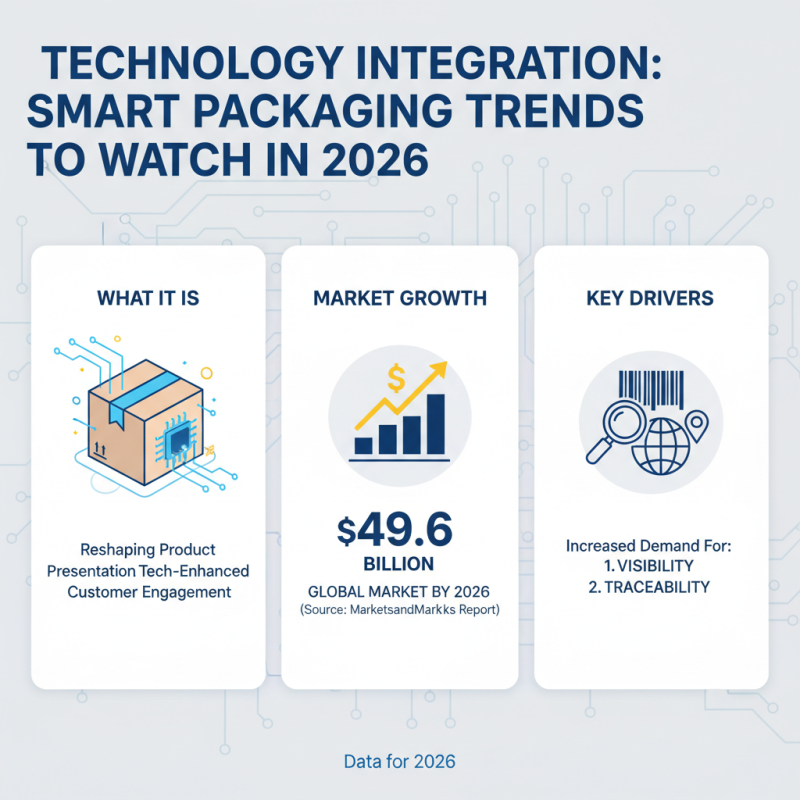
Technology Integration: Smart Packaging Trends to Watch in 2026
In 2026, smart packaging will reshape product presentation. Integrating technology into packaging allows brands to enhance customer engagement. According to a recent report by MarketsandMarkets, the smart packaging market is expected to reach $49.6 billion by 2026. This growth is driven by increasing demand for visibility and traceability.
Today, consumers seek more than just a product; they desire an experience. Smart packaging incorporates features like QR codes or NFC technology. This allows users to access detailed product information through their smartphones. Such interaction improves trust and loyalty. Brands that embrace this trend will stand out in a crowded marketplace.
Tips for choosing smart packaging: Consider sustainability. Sustainable packaging not only attracts eco-conscious consumers but also reduces environmental impact. Look for materials that are recyclable or biodegradable. Additionally, focus on user-friendly designs. Simplicity can enhance usability and functionality. Remember, embracing technology isn't just about sophistication; it’s about understanding your audience's needs too.
Regulatory Compliance: Meeting New Packaging Standards and Guidelines
In 2026, businesses face evolving packaging regulations that require careful attention. Experts estimate that over 70% of customers prefer sustainable packaging. However, many companies struggle to meet these demands. Compliance with local and international standards is essential for market access. Regulatory bodies will heavily scrutinize packaging design and materials to ensure environmental safety.
Understanding the guidelines is not simple. In 2025, nearly 40% of companies reported confusion regarding labeling requirements. Mislabeling can lead to costly recalls and damage to brand reputation. Companies must invest in packaging solutions that effectively communicate product safety and sustainability. Continuous monitoring of regulatory changes is vital. Regular training for the staff involved in packaging decisions can mitigate risks.
Research indicates that the global packaging market is projected to exceed $500 billion by 2027. However, many businesses remain ill-equipped to adapt to these rapid shifts. Challenges include sourcing compliant materials and integrating new technologies. The transition to circular packaging models requires innovation and collaboration across supply chains. Reflection on current practices can reveal gaps in compliance and sustainability efforts.