How to Choose the Right Packaging Equipment for Your Business Needs
In today's competitive market, selecting the appropriate packaging equipment is crucial for any business aiming to enhance efficiency and maintain product integrity. Packaging equipment plays a significant role in ensuring that products are securely packaged while meeting regulatory standards and customer expectations. Many businesses find themselves overwhelmed with the myriad of options available, making it essential to understand the various types of packaging equipment that align with specific operational requirements.
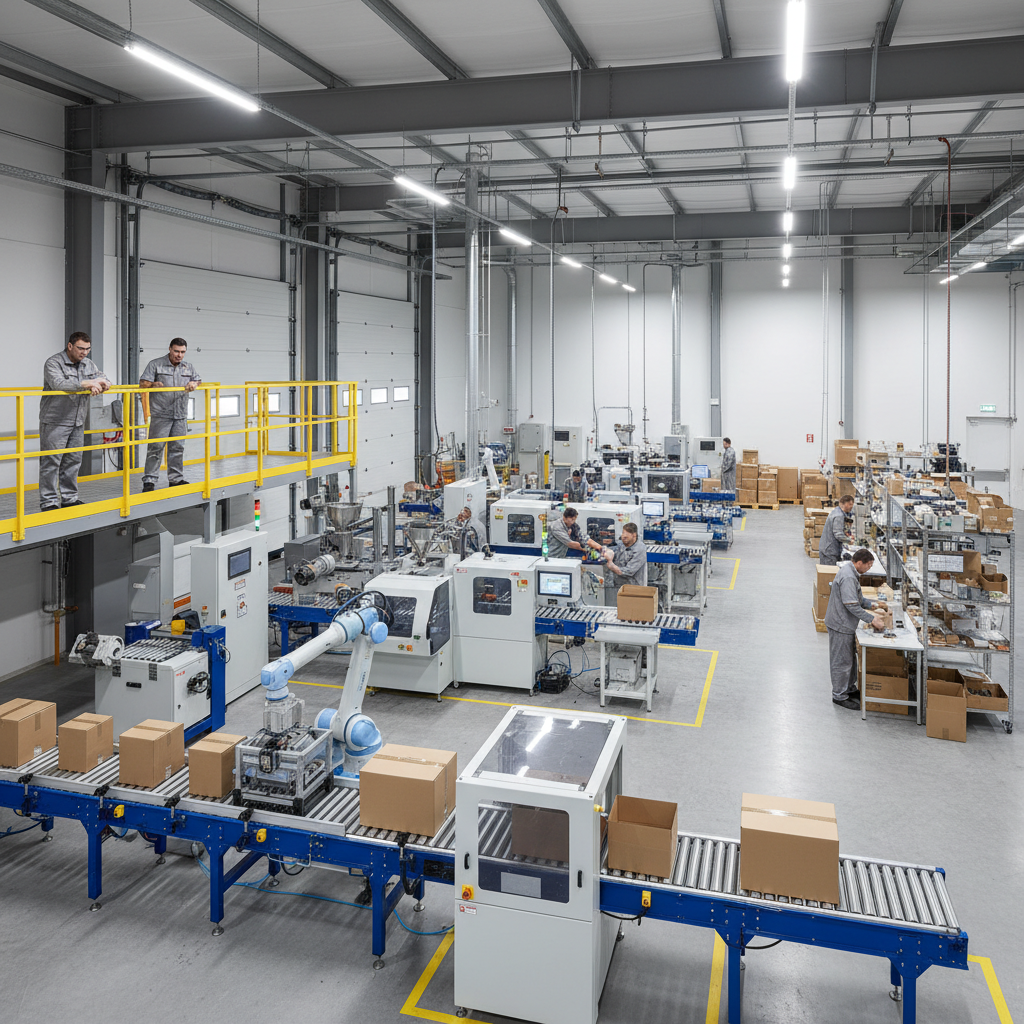
Understanding the different types of packaging equipment, including automated systems, semi-automated systems, and manual tools, can help businesses make informed choices. Each type offers unique advantages, depending on factors such as production volume, packaging materials, and budget constraints. For instance, automated packaging solutions may provide high-speed efficiency for large-scale operations, whereas semi-automated or manual systems might be more suited for smaller businesses or specific applications.
In this guide, we will explore the key considerations and categories of packaging equipment to help you select the right solutions that fit your business needs.
Key Factors to Consider When Selecting Packaging Equipment
When selecting packaging equipment for your business, several key factors must be considered to ensure alignment with your operational needs and market demands. Firstly, the scale of the packaging paper market is projected to reach approximately $4.35 billion in 2023, with a steady compound annual growth rate (CAGR) of 3.75% from 2024 to 2031. This growth highlights the necessity for businesses to adopt high-performance equipment that can adapt to evolving market conditions, particularly as consumers increasingly demand sustainable and eco-friendly packaging solutions.
Moreover, the integration of the Internet of Things (IoT) and smart packaging has become a priority due to the rising consumer preference for recyclable and greener options. As companies innovate and strive to meet these sustainability goals, choosing the right machinery that accommodates advanced features and efficient production processes is crucial. This technological shift, as experienced in the beverage packaging machine market projected for significant growth from 2025 to 2034, emphasizes the importance of investing in packaging solutions that not only amplify productivity but also support environmental initiatives.
How to Choose the Right Packaging Equipment for Your Business Needs - Key Factors to Consider When Selecting Packaging Equipment
| Factor |
Description |
Importance Level (1-5) |
Examples of Equipment |
| Product Type |
Identifying the type of product to be packaged |
5 |
Fillers, Sealers |
| Packaging Volume |
Determining the expected production volume |
4 |
Automatic Packaging Lines |
| Budget |
Setting a budget for equipment investment |
5 |
Used Packaging Machines |
| Space Availability |
Evaluating the available space for equipment installation |
3 |
Compact Packing Systems |
| Ease of Use |
Assessing user friendliness of equipment |
4 |
User-Oriented Packaging Machines |
| Maintenance |
Considering ongoing maintenance and support |
4 |
Heavy-Duty Machines |
| Versatility |
Looking for equipment that can handle multiple products |
5 |
Multi-Format Packaging Machines |
Types of Packaging Equipment Best Suited for Different Industries
When selecting packaging equipment, it's crucial to consider the specific needs of your industry, as different sectors have unique requirements. For instance, the food and beverage sector often opts for equipment that ensures hygiene and freshness. According to a report by Smithers Pira, the global food packaging market is projected to reach $500 billion by 2026, highlighting the industry's demand for advanced packaging solutions. High-speed filling machines and vacuum sealers are essential in this field to preserve product quality and extend shelf life.
In contrast, the pharmaceutical industry prioritizes precision and compliance with strict regulations. Equipment such as blister packaging machines and labeling machines are standard, as they enhance product integrity and traceability. A report by Grand View Research noted that the pharmaceutical packaging market is expected to grow at a CAGR of 7.3% from 2021 to 2028. This growth underscores the necessity for packaging systems that can maintain sterility and deliver accurate dosing.
The cosmetic industry, meanwhile, often requires aesthetically pleasing and innovative packaging that reflects brand identity. Machinery for filling, capping, and labeling is a must, as these processes directly impact the product's market appeal. The global cosmetics packaging market, valued at approximately $30 billion in 2020, is expected to grow significantly, reflecting the importance of choosing equipment that aligns with both functional and branding goals. Investing in the right packaging equipment can significantly enhance operational efficiency and customer satisfaction across these diverse sectors.
Evaluating Performance and Efficiency of Packaging Machinery
When selecting the right packaging equipment for your business needs, evaluating the performance and efficiency of packaging machinery is essential. According to a report by Freedonia Group, the global packaging machinery market is projected to reach $50 billion by 2026, driven by the demand for advanced technologies that enhance productivity. An efficient machine not only reduces operational costs but also increases production rates, which are crucial for meeting customer demands in a competitive landscape.
When assessing packaging machinery, consider factors such as cycle time, maintenance needs, and adaptability to different product types. A study by PMMI revealed that 49% of manufacturers prioritize automation capabilities when investing in new equipment, indicating that automation plays a significant role in enhancing efficiency. Investing in equipment that integrates seamlessly with existing systems can lead to more streamlined operations and lower downtime.
**Tips:**
1. Evaluate the total cost of ownership (TCO) when considering packaging machinery. This includes purchase price, maintenance, and operational costs, which can significantly affect long-term financial performance.
2. Look for equipment with smart technology features, such as predictive maintenance and real-time monitoring, which can help to optimize performance and minimize unexpected breakdowns.
3. Don’t overlook the importance of supplier support and training. A reputable supplier can provide ongoing assistance and help ensure your machinery operates at peak efficiency.
Performance and Efficiency of Different Packaging Equipment
Budgeting for Your Packaging Equipment Needs: Cost vs. Value
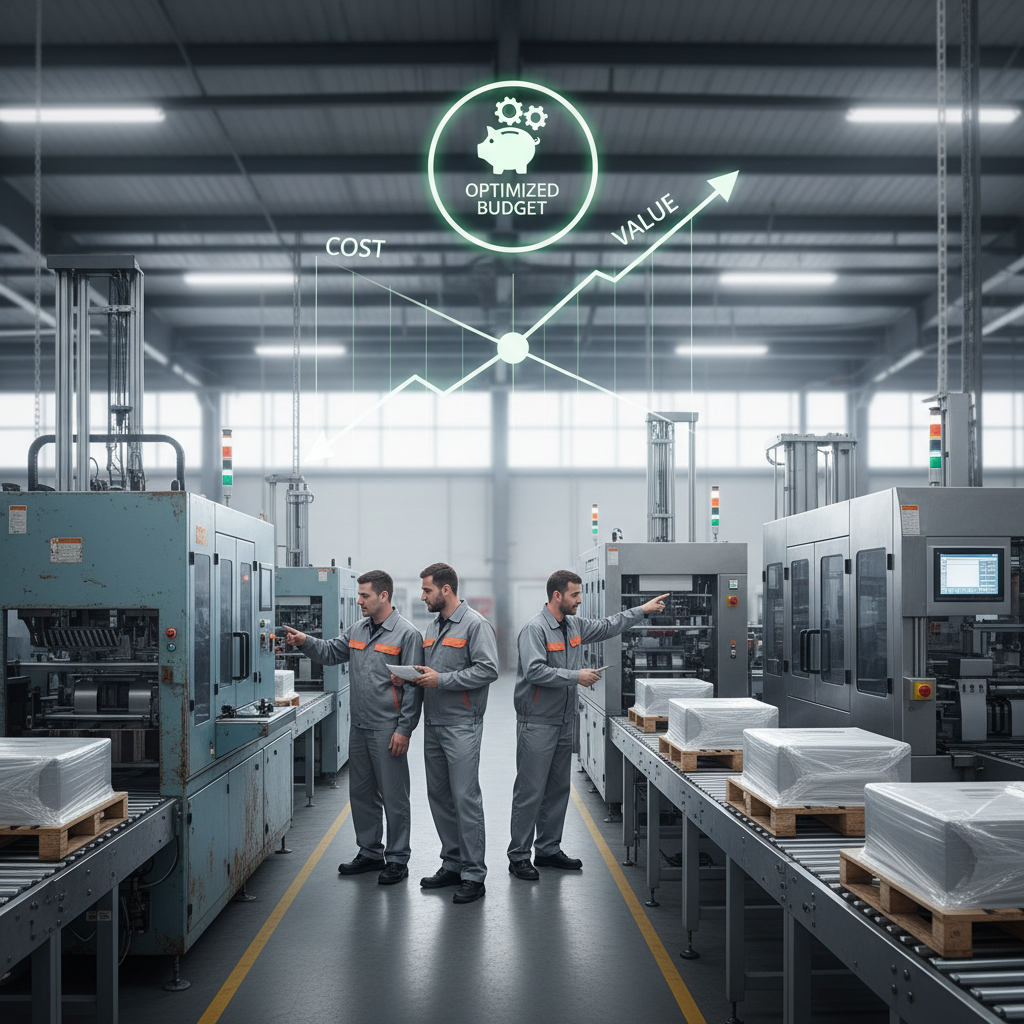
When selecting packaging equipment, understanding the balance between cost and value is crucial for optimizing your budget. While it may be tempting to go for the lowest-priced options available, investing in higher-quality equipment can lead to significant long-term savings and increased efficiency. Durable machinery often requires less maintenance, performs better under pressure, and can be adapted to future needs, enhancing its overall value for your business.
Additionally, it’s essential to consider the return on investment (ROI) of the packaging equipment you choose. Evaluate how the equipment can streamline your operations, reduce waste, and improve product presentation. An upfront cost may be higher for equipment that offers advanced features and technology, but the value gained from increased speed and reduced errors can far outweigh initial expenses. By focusing on how the equipment aligns with your business goals, you can make a more informed decision that supports sustainable growth and profitability.
Future Trends in Packaging Technology to Consider for 2025
As we look toward 2025, the evolution of packaging technology promises remarkable advancements that businesses must consider in their equipment choices. According to a recent report by Smithers Pira, the global packaging market is projected to reach $500 billion by 2025, driven primarily by the increasing demand for sustainable and smart packaging solutions. Companies are becoming more aware of their environmental impact, pushing for equipment that supports biodegradable materials and reduced waste generation.
One notable trend is the integration of automation and Artificial Intelligence (AI) into packaging processes. Research from the International Packaging Association highlights that 70% of packaging enterprises are expected to invest in robotic automation by 2025. This shift not only enhances production efficiency but also reduces human error, streamlining operations significantly. Moreover, advancements in technology such as IoT-enabled devices allow for real-time monitoring and predictive maintenance, further optimizing packaging workflows and minimizing downtime.
As these trends unfold, selecting the right packaging equipment aligned with these technological advancements will be crucial for businesses aiming to remain competitive in the dynamic market landscape.