How to Choose the Right Case Packer Machine for Your Packaging Needs
In an increasingly competitive market, selecting the right case packer machine is pivotal for achieving operational efficiency and meeting production demands. According to a recent industry report by Smith Industries, the market for packaging machinery is expected to grow at a CAGR of 4.5% over the next five years, driven by advancements in automation and the rising need for efficiency in packaging processes. This growth underscores the critical role that a reliable and well-suited case packer machine plays in the overall packaging strategy for businesses.
Industry expert Dr. Jane Holloway, a leading authority in packaging technologies, emphasizes the importance of making an informed choice, stating, "The right case packer machine can significantly streamline operations and reduce overhead costs, leading to both higher output and enhanced product quality." As businesses strive to optimize their production lines, understanding the various types of case packers available, their capabilities, and how they align with specific packaging needs becomes essential. This comprehensive guide aims to provide insights into selecting the most suitable case packer machine tailored to your operational requirements, ensuring both efficiency and effectiveness in your packaging endeavors.
Understanding Your Packaging Requirements
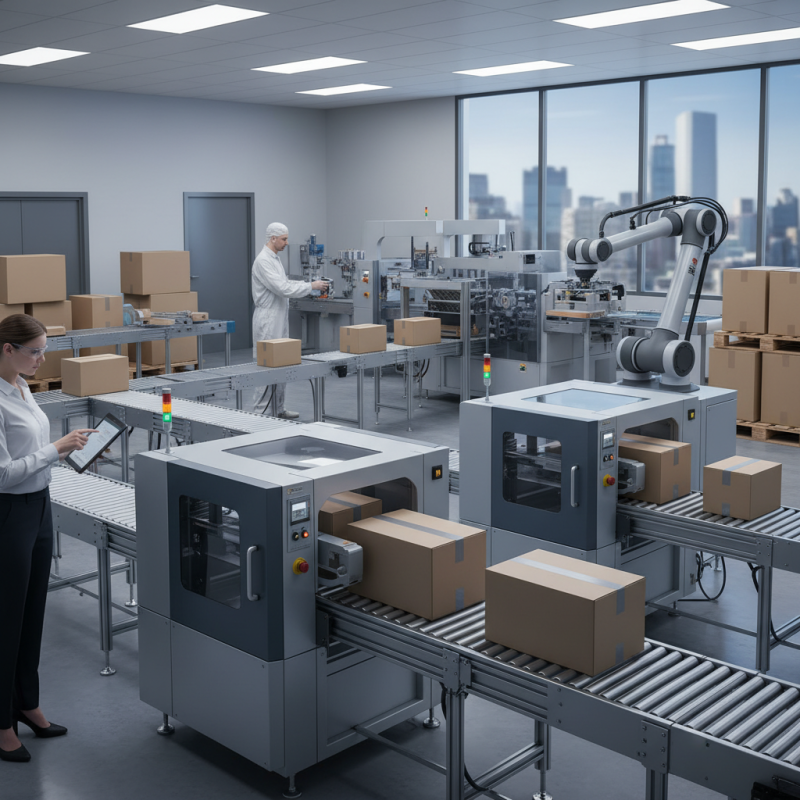
When selecting a case packer machine, the first step is to thoroughly understand your packaging requirements. Consider the type of products you are packaging, their dimensions, weights, and the materials involved. Are you dealing with fragile items that require gentle handling, or heavier products that need robust support? Knowing these specifics is crucial as they directly influence the kind of machine best suited for your operations.
**Tips:** Always gauge the production volume you expect. High-speed operations will necessitate a more advanced machine capable of rapid adjustments and efficient workflow. Additionally, consider the future growth of your business—investing in equipment that can adapt to changes in product lines can save costs in the long run.
Moreover, think about the type of packaging you will be using. Do you require trays, cartons, or shrink wraps? The versatility of the case packer machine in handling various packaging formats can provide significant benefits. Evaluate how easy the machine is to operate and maintain, as user-friendly machines reduce downtime and training costs for your team.
**Tips:** Opt for machines that incorporate smart technology features to simplify setup and adjustments for different product lines. This can enhance efficiency and ensure that your packaging processes align seamlessly with your operational goals.
Types of Case Packer Machines Available
When selecting a case packer machine, it is essential to understand the different types available to meet specific packaging requirements. The most common categories include semi-automatic and fully automatic case packers. Semi-automatic machines generally require manual intervention for loading products into cases, making them suitable for smaller operations or businesses just starting with automated packaging. These machines offer flexibility and are generally more affordable, allowing users to adapt to varying production volumes.
On the other hand, fully automatic case packers are designed for high-volume production and continuous operation. They integrate seamlessly with production lines, minimizing manual labor while maximizing efficiency. These machines employ advanced technology to handle various case sizes, shapes, and product types, making them ideal for businesses that require quick turnaround times and consistent packaging quality. Given the diversity of products in the market, it's crucial to evaluate the specific features of case packers, such as speed, size adaptability, and the types of products they can accommodate, to ensure the chosen machine aligns perfectly with your operational goals.
Case Packer Machine Types and Their Popularity
Key Features to Consider When Selecting a Case Packer
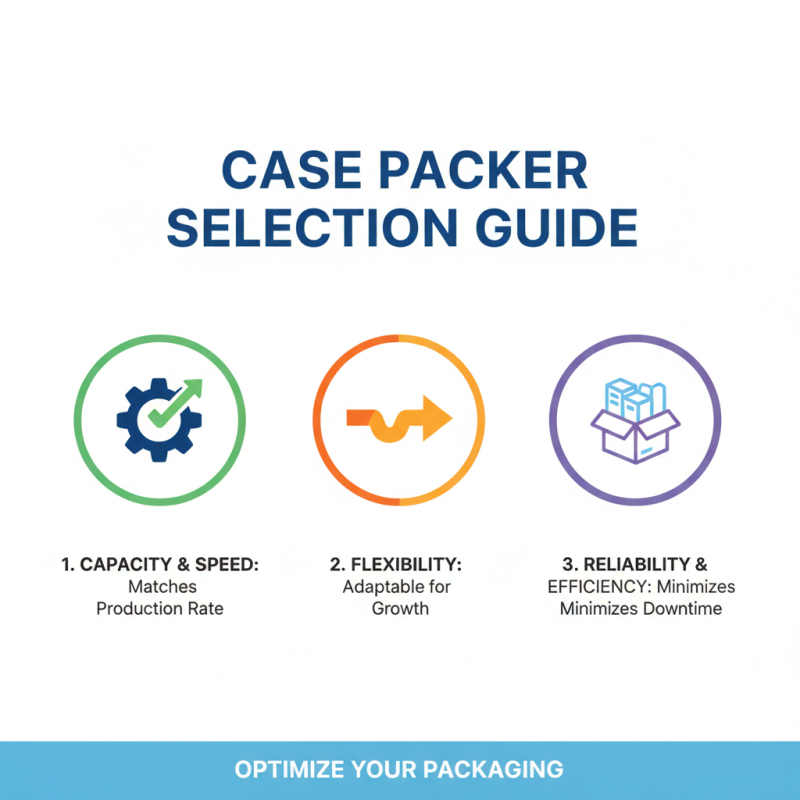
When selecting a case packer machine for your packaging needs, several key features should be at the forefront of your decision-making process. Firstly, consider the machine’s capacity and speed. It's crucial to assess the production rates required for your operation; this will ensure that the case packer can keep pace with your overall production workflow without causing bottlenecks. Choose a machine that can handle your expected volume while providing the flexibility to adjust for future increases in demand.
Another important feature is the machine's compatibility with different packaging formats and product sizes. A versatile case packer should be able to accommodate various product shapes, weights, and materials, allowing you to package a wider range of items without needing separate machines. Additionally, look for user-friendly controls and automation options that facilitate quick setup and operation, minimizing downtime and enhancing overall efficiency. By prioritizing these features, you’ll be better equipped to select a case packer that aligns perfectly with your production goals and operational demands.
Evaluating Production Speed and Efficiency Needs
When selecting a case packer machine, evaluating the production speed and efficiency needs is crucial. Understanding the required throughput is the first step. Calculate the number of products that need to be packed per hour, and consider the peak times when production demands are highest. This helps in determining the suitable speed range for case packers, as different machines have varying capabilities. A machine that operates at a speed that aligns with your production schedule can significantly reduce bottlenecks and maintain a steady workflow.
Efficiency goes hand in hand with speed, as it encompasses not just how fast a machine can pack cases, but how well it integrates with existing production lines. An ideal case packer should minimize downtime and allow for quick changeovers between different packaging configurations. Factors such as the complexity of setup, ease of maintenance, and adaptability to different product sizes and case types should also be taken into account. By focusing on these elements, businesses can ensure that they select a case packer that not only meets their immediate packaging needs but also contributes to long-term operational efficiency.
How to Choose the Right Case Packer Machine for Your Packaging Needs - Evaluating Production Speed and Efficiency Needs
| Machine Type |
Production Speed (cases/min) |
Efficiency Rating (%) |
Ideal for Product Type |
Footprint (sq. ft.) |
Typical Cost Range |
| Semi-Automatic Case Packer |
10-20 |
80-85 |
Bottles, Cans |
10 |
$15,000 - $25,000 |
| Fully Automatic Case Packer |
30-60 |
90-95 |
Boxes, Cartons |
20 |
$50,000 - $100,000 |
| Robotic Case Packer |
15-40 |
85-90 |
Mixed Products |
15 |
$70,000 - $150,000 |
| Compact Case Packer |
8-15 |
75-80 |
Small Products |
8 |
$10,000 - $20,000 |
Budget Considerations for Case Packer Machines
When selecting a case packer machine, budget considerations are critical to ensuring that the investment aligns with your operational needs without overspending. Initially, it is important to establish a clear budget range, taking into account not only the upfront costs of the machine but also ongoing expenses such as maintenance, parts replacement, and operational costs. Investing in a case packer machine should also include an assessment of potential savings in labor costs and improvements in efficiency, which can offset initial expenditures over time.
Another key aspect of budgeting for case packer machines is understanding the different types available and their associated costs. Entry-level machines may offer basic packing capabilities at a lower price point, while more advanced models with increased automation and features can significantly increase the investment needed. It's essential to analyze how each option aligns with your production needs and volume, as well as the total cost of ownership throughout the machine's lifecycle. Carefully consider both initial investments and long-term operational efficiencies to make a well-informed decision that enhances your packaging process while remaining financially feasible.