How to Choose the Best Packaging Supplies for Your Business Needs?
Choosing the right packaging supplies is crucial for any business. According to Sarah Thompson, a packaging expert with over 15 years of experience, "The right packaging can make or break your brand's image." This insight invites a closer look at what businesses should consider when selecting packaging supplies.
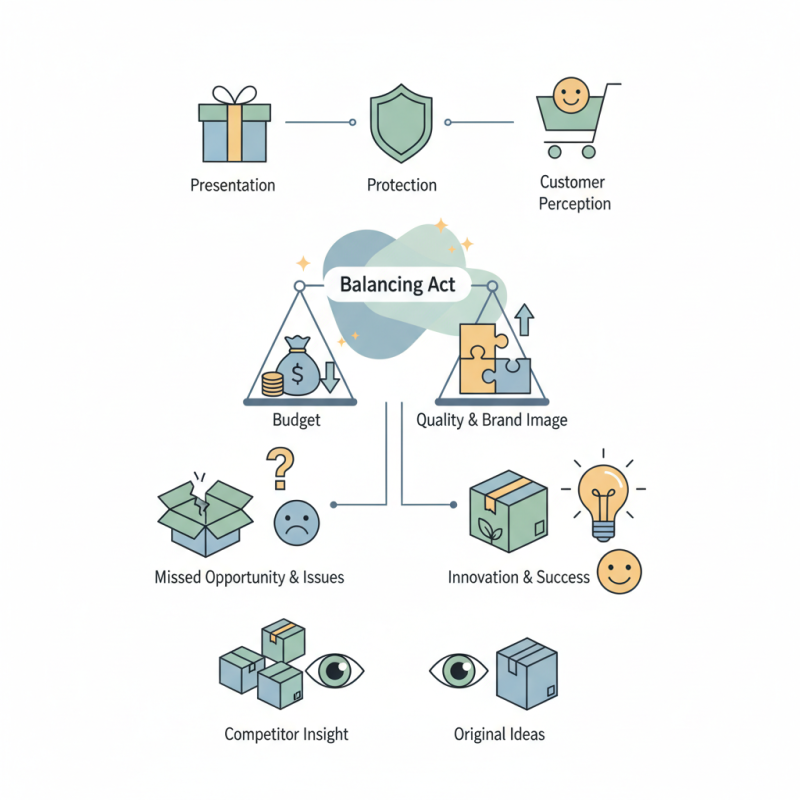
Packaging supplies are not just about functionality. They enhance presentation, protect products, and influence customer perceptions. Every detail matters, from the material to the design. A poor choice can lead to damaged items and frustrated customers. On the other hand, thoughtful selection can elevate a brand's appeal and ensure product safety.
Here lies the challenge. Many businesses overlook these details, focusing solely on costs. This can lead to quality issues and lost sales. Brands need to reflect on their packaging strategy. It requires a balance between budget and quality. Observing competitors can offer insights, but original ideas spark success.
Identifying Your Business Packaging Requirements
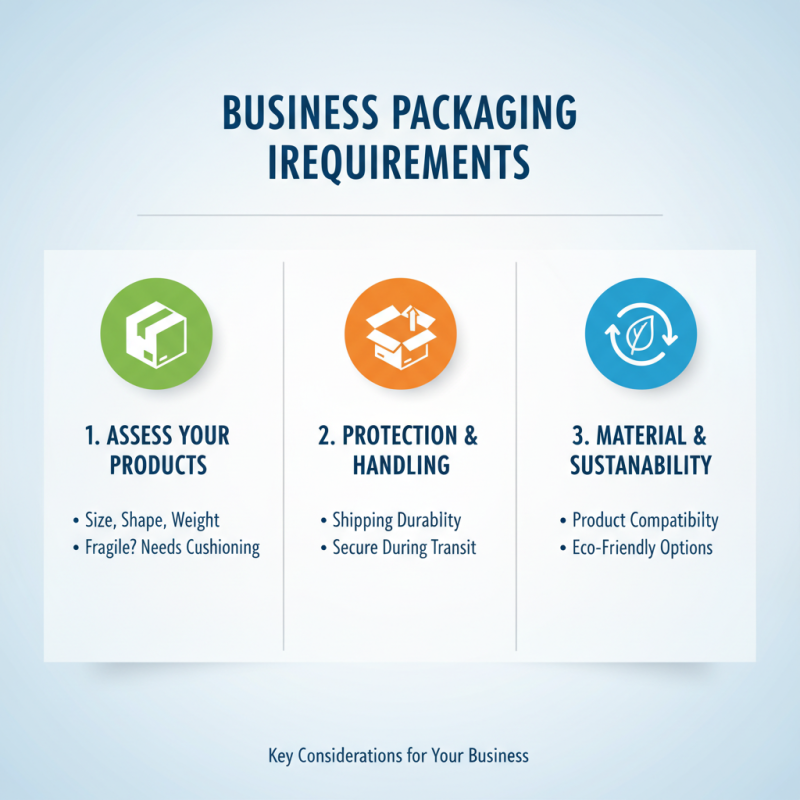
When identifying your business packaging requirements, start by assessing your products. Consider their size, shape, and weight. Fragile items need extra cushioning, while larger products might require durable boxes. Evaluate how your packaging protects your goods during shipping and handling. Pay attention to the packaging’s material; it should align with your products' needs and sustainability goals.
Think about your target market and branding. Packaging is not just functional; it represents your brand's image. Colors, logos, and design influence customer perception. Will your packaging stand out on the shelf? Reflect on whether the packaging reflects your brand values. Test different options to see what resonates best with your audience.
Finally, don’t overlook budget constraints. Quality packaging can be an investment. Balance cost with functionality and design. Sometimes, cheaper options compromise integrity. Explore various suppliers and get quotes. Finding the right mix might take time and experimentation, but it’s crucial for your business's success. Adjust your strategies based on feedback. Learning from mistakes will lead to better choices in the future.
Evaluating Different Types of Packaging Supplies
Choosing the right packaging supplies is essential for any business. Evaluating different types can greatly impact your bottom line. First, consider the material. Options include cardboard, plastic, and biodegradable choices. Each type has its own environmental implications. According to the Global Packaging Market report, sustainable packaging is expected to grow by 5% annually.
When selecting packaging, pay attention to durability and cost-effectiveness. A sturdy box can reduce damage during shipping. However, it might come at a higher upfront cost. A delicate balance is necessary. Many businesses overlook the long-term savings associated with higher quality packaging.
**Tips:** Always test packaging with your products. This minimizes errors. Regularly assess suppliers to find competitive prices. A simple comparison can reveal significant savings. Be open to feedback from customers about packaging. It can provide insights for improvement.
Assessing Material Quality and Sustainability Options
When choosing packaging supplies, assessing material quality is crucial. High-quality materials ensure durability and performance. For example, the global packaging industry is projected to reach $1 trillion by 2024. This growth underscores the demand for reliable packaging. Quality materials minimize damage during transit and enhance customer satisfaction.
Sustainability is another critical aspect. Research shows that 72% of consumers prefer eco-friendly packaging options. Businesses can consider biodegradable and recyclable materials. However, reports indicate that only 34% of brands prioritize sustainable packaging. This gap suggests many companies overlook consumer preferences. Poor choices in materials can lead to increased waste and potential brand damage.
Evaluating suppliers is vital. Some may offer low-cost options, but they might compromise on quality and sustainability. A study found that 60% of companies experienced losses due to subpar packaging. It's necessary to weigh cost against the long-term benefits. Investing in quality materials can save money over time and enhance brand reputation.
How to Choose the Best Packaging Supplies for Your Business Needs? - Assessing Material Quality and Sustainability Options
| Material Type |
Quality Rating (1-5) |
Sustainability Option |
Cost per Unit ($) |
Lead Time (days) |
| Kraft Paper |
4 |
100% Recyclable |
0.10 |
7 |
| Biodegradable Plastic |
5 |
Compostable |
0.15 |
10 |
| Glass |
5 |
Recyclable |
0.50 |
14 |
| Cardboard |
4 |
100% Recyclable |
0.20 |
5 |
| Aluminum |
5 |
Recyclable |
0.70 |
12 |
Analyzing Cost-Effectiveness and Budget Constraints
When analyzing cost-effectiveness in packaging supplies, understanding your budget constraints is crucial. A report from Smithers Pira indicates that packaging can account for 10-20% of product costs. This range varies significantly among industries. Failing to analyze this aspect can lead to over-spending, impacting overall profitability.
Carefully consider materials and design. For instance, biodegradable options may cost more upfront but can reduce waste disposal fees. A study by the Packaging Association revealed that companies prioritizing sustainability saw a 15% increase in customer loyalty. Balancing initial costs with long-term benefits is key.
Be cautious of low-cost suppliers. While they might seem attractive, hidden costs often arise. Delivery charges and inferior quality can eat into your budget. Always weigh the risks against the savings. Ultimately, a thoughtful approach will prevent costly mistakes while ensuring your business meets its packaging needs effectively.
Selecting Suppliers and Managing Inventory Needs
Choosing the right suppliers is crucial for managing your packaging needs. Start by researching local and online options. Look for suppliers with a good reputation. Read reviews and ask for references when possible. Size matters. A smaller supplier might offer personalized service. A larger one could provide better prices or variety. Ultimately, consider what fits your business best.
Once you pick suppliers, managing inventory becomes essential. Track what you use and how often. Use inventory management software, or even spreadsheets if your business is small. Aim for a balance: too much stock ties up cash, too little can cause delays. Regular audits can help catch discrepancies early. Reflect on your choices, as over-reliance on one supplier can create risk. Always be ready to adjust your strategy based on what you learn. This flexibility will help sustain growth.
Packaging Supplies Sales Data
This bar chart represents the estimated units sold (in thousands) of various packaging supplies for a fictional business. It helps in understanding which supplies are most demanded and can assist in inventory management and supplier selection.