How to Choose the Best Packaging Supplies for Your Business Needs?
Choosing the right packaging supplies is crucial for any business. Effective packaging affects customer satisfaction and brand perception. As John Smith, a leading expert in the packaging industry, states, "Quality packaging supplies can elevate your business beyond mere transactions."
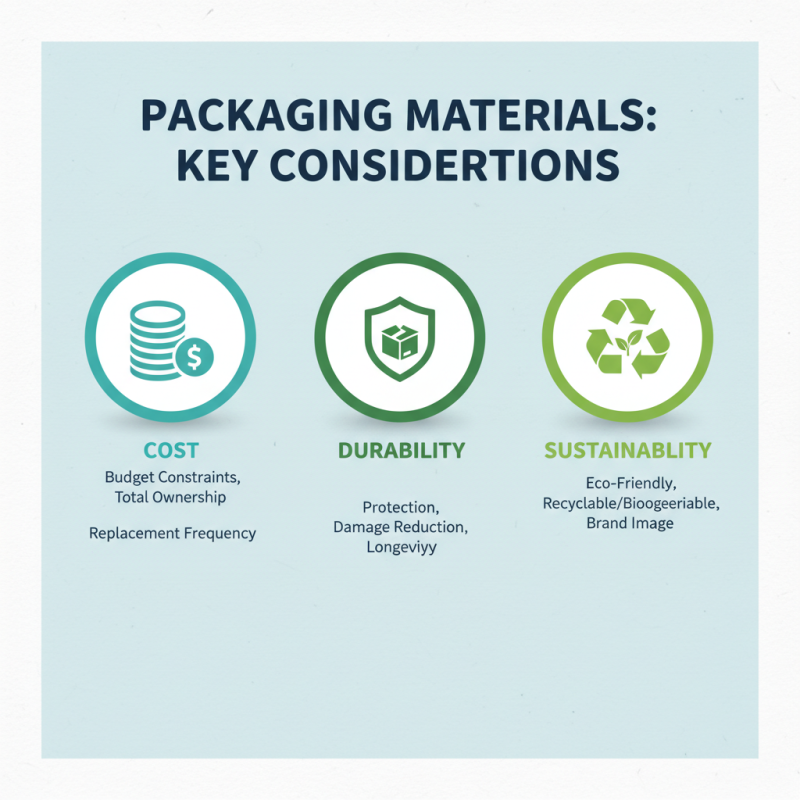
When selecting packaging supplies, consider the materials, durability, and aesthetic appeal. Each product requires specific attributes. For example, fragile items need extra protection. A cardboard box might suffice for heavier items, but lightweight goods could benefit from plastic or biodegradable options.
However, businesses often overlook the environmental impact of their choices. Sustainable materials are becoming a priority for consumers. Reflecting on this need is essential. A balance between cost and eco-friendliness is not always easy to achieve. Entrepreneurs must evaluate their priorities and understand that every decision in packaging supplies carries weight. Your choice shapes not just the present but the future of your brand as well.
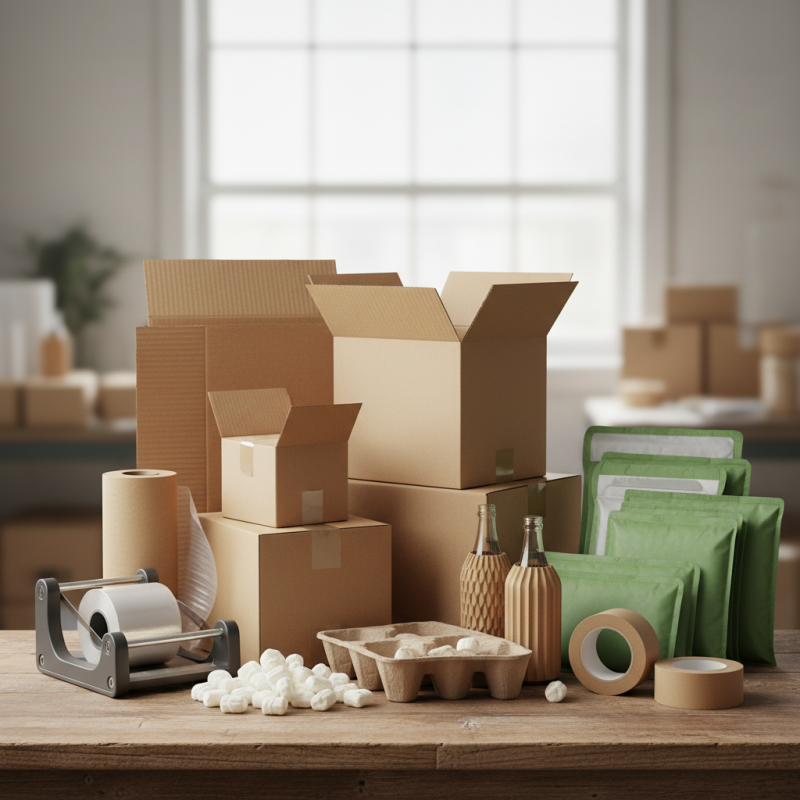
Understanding Your Packaging Requirements: Assessing Product Types and Sizes
When selecting packaging supplies, understanding your packaging requirements is crucial. Start by assessing your product types and sizes. For example, products like electronics and cosmetics require different levels of protection and presentation. A recent study found that 64% of consumers are likely to share an image of interesting packaging on social media. This shows that how you package can significantly affect your brand image.
Consider the dimensions of your products. Oversized packaging can lead to increased shipping costs and wasted materials. According to a 2021 report, businesses can reduce packaging costs by up to 30% by optimizing their package size. However, it’s essential not to compromise on protection in pursuit of savings. Fragile items need cushioned packs, while durable ones may require less. Striking the right balance can often be challenging.
Another factor to think about is sustainability. Consumers are increasingly favoring brands that use eco-friendly packaging. Interestingly, a survey revealed that 73% of consumers are willing to pay more for sustainable packaging. Yet, many businesses still rely on traditional materials. This disconnect creates an opportunity for reflection and growth. Investing in the right materials not only aligns with consumer preferences but also enhances overall brand loyalty.
Analyzing Market Trends: The Growing Demand for Eco-Friendly Packaging Solutions
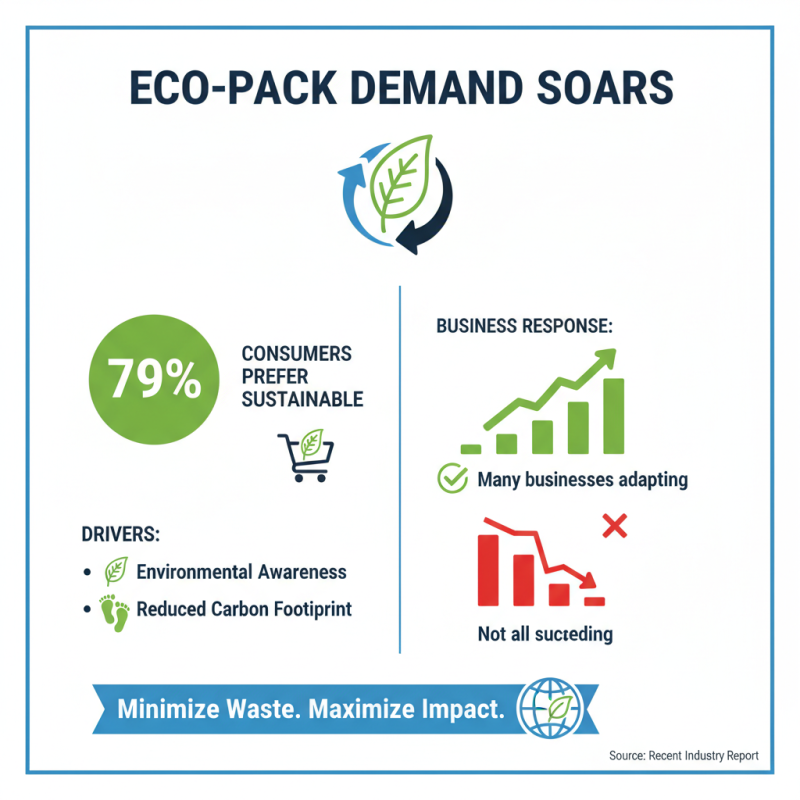
The demand for eco-friendly packaging solutions is surging. A recent report highlights that 79% of consumers prefer sustainable options. This shift is driven by growing environmental awareness. Today’s customers want packaging that minimizes waste and reduces carbon footprints. Many businesses are responding to this trend, but not all are succeeding.
Innovative materials like biodegradable plastics are becoming popular. Companies are experimenting with options such as mushroom-based packaging and recycled cardboard. However, the transition isn't always smooth. Some businesses struggle with higher costs or limited availability of sustainable materials. In fact, a 2023 industry study noted that nearly 35% of firms found sourcing eco-friendly supplies challenging. Companies must navigate these obstacles while meeting consumer expectations.
Packaging design plays a critical role, too. Minimalistic packaging reduces material usage. This approach appeals to environmentally conscious consumers. Yet, balancing aesthetics and sustainability can be tricky. Brands risk alienating customers if they compromise on visual appeal. Therefore, it’s vital to continuously assess market trends and innovate while reflecting on the challenges faced in this evolving industry.
Supplier Selection: Key Factors for Reliable and Efficient Packaging Partners
Choosing reliable packaging partners is crucial for any business. The right supplier can help streamline operations and enhance product presentation. According to a report by Smithers Pira, the global packaging market is expected to reach $1 trillion by 2024. This underscores the importance of selecting quality suppliers who can meet your needs.
Key factors include the supplier's reputation, product quality, and delivery reliability. A survey from Packaging Strategies shows that 73% of companies prioritize quality over cost. When evaluating suppliers, consider their track record with other clients. Ask for case studies or references. It's essential to assess their ability to handle your specific requirements. Are they flexible enough to accommodate changes?
In addition, think about sustainability. Many businesses now prioritize eco-friendly packaging. A report by McKinsey & Company stated that consumers are willing to pay up to 25% more for sustainable packaging. This aspect calls for a reflection on your current practices. Are they aligned with your values? Striking the right balance between cost, quality, and sustainability is vital in the decision-making process.
Cost-Benefit Analysis: Optimizing Packaging Supply Investments for Business Growth
When optimizing packaging supplies for business growth, a cost-benefit analysis is crucial. Businesses must evaluate their current spending on packaging versus the potential gains. Are you spending too much on materials that don’t enhance your brand image? If so, it’s time to rethink your choices. Choosing the right materials not only impacts expenses but also the customer experience.
Consider the total cost of your packaging. This includes materials, shipping, and waste disposal. Sometimes, lower upfront costs lead to higher long-term expenses. For example, cheap packaging might create damaged products. This can lead to returns and customer dissatisfaction. Moreover, incorporating sustainable options can attract environmentally conscious consumers. However, these options may require a higher initial investment.
Evaluate your packaging’s role in customer perception. Does it reflect your brand's values? Invest time in understanding your target market. They may favor durable packaging over a flashy design. Regularly reassess your packaging strategy to adapt to changing market demands. Ultimately, balancing cost and quality can drive business growth effectively.
Cost-Benefit Analysis of Packaging Supplies
This chart illustrates the cost and perceived value of different packaging supplies, helping businesses to optimize their packaging supply investments for growth.