How to Choose the Best Packaging Solutions for Your Business?
Choosing the right packaging solutions is vital for any business. As Jane Holloway, a leading expert in packaging design, once stated, "The right package can tell your brand story." This highlights how crucial packaging is in communicating with consumers.
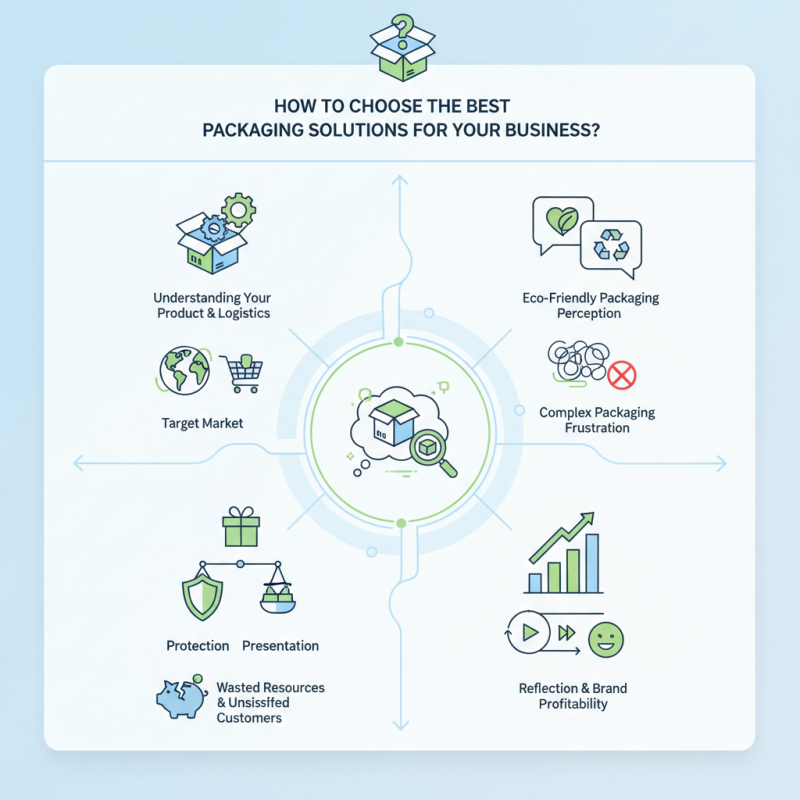
Understanding your product, target market, and logistics is essential. Packaging solutions can influence customer perception. For example, eco-friendly packaging can attract environmentally conscious buyers. Conversely, overly complex packaging may lead to frustration.
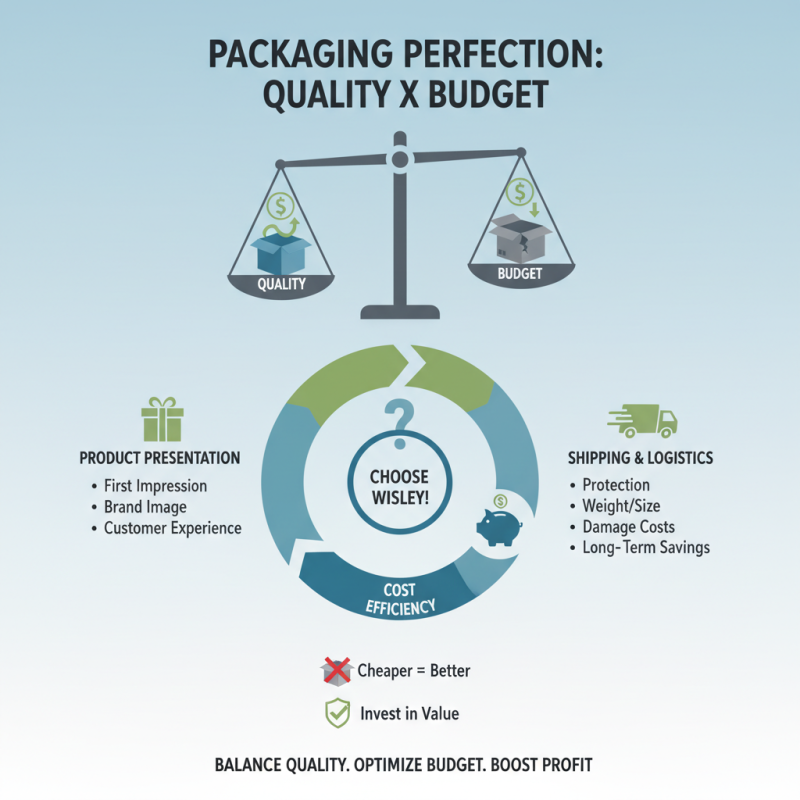
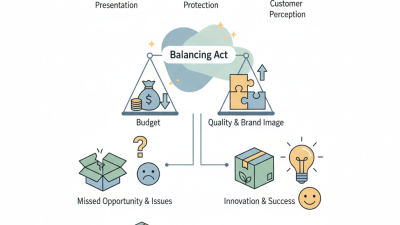
It’s important to evaluate the balance between protection and presentation. Some businesses struggle to prioritize functional requirements over aesthetic appeal. This can lead to wasted resources or unsatisfied customers. Reflection on past packaging choices can reveal much about consumer preferences. A thoughtful approach to packaging can enhance your brand image and profitability over time.
Understanding Your Packaging Needs: Analyzing Product and Market
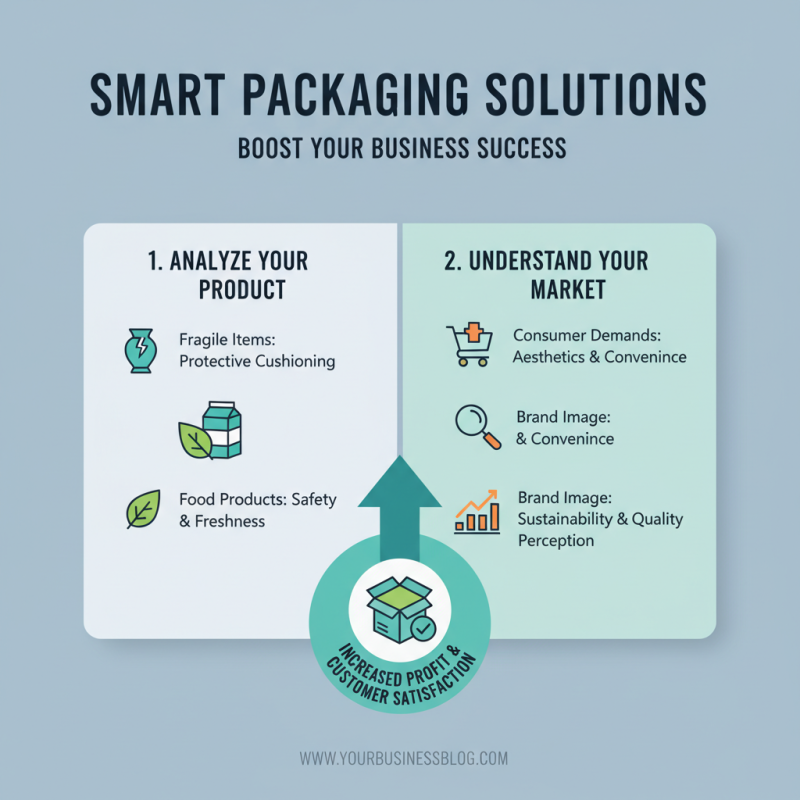
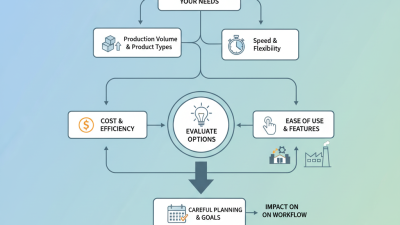
Choosing the right packaging solutions can significantly impact your business's success. It's crucial to analyze both your product and your market. Different products have different requirements. For example, fragile items need protective packaging. On the other hand, food products require materials that ensure safety and freshness.
Tips: Consider the weight and shape of your products. These factors will affect your packaging material choices. Ensure your packaging reflects your brand's identity. Custom designs can enhance visibility. Understand your target market's preferences. Eco-friendly options may appeal to conscious consumers.
Another important point is cost analysis. While high-quality packaging may be more expensive, it can prevent damage and returns. A lower initial investment might lead to higher long-term costs. Assess the balance between quality and pricing carefully. Don't overlook the importance of testing packaging before a full rollout. Feedback can reveal unexpected weaknesses. Embrace the iterative process.
Evaluating Different Types of Packaging Materials and Their Benefits
Choosing the right packaging material can significantly impact a business’s success. According to a report by Research and Markets, the global packaging market is expected to reach $1 trillion by 2024. This rapid growth emphasizes the importance of selecting materials that meet specific needs.
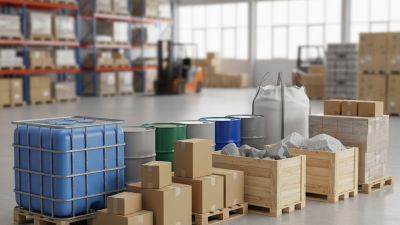
There are various packaging materials available, each with its advantages. For instance, cardboard is lightweight and recyclable. It can reduce shipping costs and environmental impact. Plastic, on the other hand, offers durability and moisture resistance, making it suitable for perishable goods. However, sustainability is a concern. Many consumers prefer eco-friendly packaging, pushing companies to reflect on their choices.
Another critical factor is the cost-effectiveness of materials. A study by Smithers Pira reveals that sustainable packaging can lead to a 10% increase in sales, but these materials can be pricier. Businesses must weigh the benefits against the costs. Finding the balance is not always easy. Careful assessment is necessary to ensure packaging aligns with brand values while appealing to consumers.
How to Choose the Best Packaging Solutions for Your Business?
| Packaging Type |
Material |
Benefits |
Best For |
| Box Packaging |
Cardboard |
Durable, recyclable, customizable |
E-commerce, retail products |
| Flexible Packaging |
Plastic film |
Lightweight, versatile, cost-effective |
Snacks, food, pet products |
| Glass Packaging |
Glass |
Premium feel, recyclable, preserves flavor |
Beverages, sauces, luxury items |
| Metal Packaging |
Aluminum, tin |
Strong, barrier protection, recyclable |
Canned goods, cosmetics |
| Biodegradable Packaging |
Plant-based materials |
Environmentally friendly, compostable |
Organic products, eco-conscious brands |
Considering Sustainability: Eco-Friendly Packaging Options
Eco-friendly packaging options are increasingly important for businesses today. Many consumers prefer products with sustainable packaging. This trend reflects a growing awareness of environmental issues. Companies can choose biodegradable materials, recycled content, or minimal packaging to reduce waste. Using natural fibers, like paper or hemp, is a great start.
Yet, not all eco-friendly options are flawless. Some biodegradable materials take years to break down. Others may require specific conditions to decompose properly. This can lead to confusion about what truly is sustainable. Evaluating these factors is crucial for responsible decision-making. It’s also essential to consider the product's needs when choosing packaging. Sometimes, eco-friendly alternatives might not provide the required durability or protection.
Many businesses face challenges in balancing sustainability and functionality. Testing different materials can help identify the right fit. It’s important to remain open to new solutions and feedback. Remember, the goal is to minimize impact while still meeting customer expectations. Engaging with your audience about packaging choices can also foster transparency and trust.
Exploring Customization: Tailoring Packaging to Enhance Brand Identity
Custom packaging solutions can make a significant impact on brand identity. When customers see unique designs, they often feel a connection. This connection fosters loyalty and trust. Thoughtful customization can elevate mundane packaging. It can transform a simple box into a brand ambassador.
However, it’s not always perfect. Sometimes, the design may overshadow functionality. A beautiful package could be impractical, frustrating customers. Striking the right balance between aesthetics and usability is crucial. Products should be easy to open yet visually appealing. Ensuring that the unboxing experience is memorable is important.
Brand elements need to be clear and consistent. Colors, logos, and fonts should reflect the company’s persona. Customization can also include eco-friendly materials. This not only enhances identity but also aligns with consumer values. Yet, sourcing sustainable materials can pose challenges, often requiring deeper reflection on sourcing practices.
Custom Packaging Solutions Impact on Brand Perception