China Top 10 Automated Packaging Companies Revolutionizing the Industry?
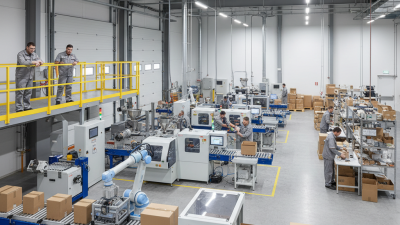
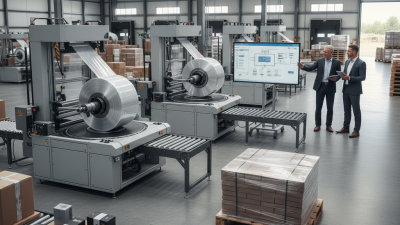
In an era where efficiency and precision drive industry growth, automated packaging has emerged as a game-changer. This technological evolution is transforming how products are packaged, enhancing speed and reliability. Major players in China's automated packaging sector are at the forefront of this revolution. These companies are implementing advanced systems that integrate robotics and artificial intelligence, ensuring products are not only well-packaged but also ready for immediate distribution.
The 139th Canton Fair highlights this trend. With the introduction of AI smart search and navigation features, the fair becomes a showcase for innovation. Buyers can efficiently locate suppliers with key certifications like ISO and CE. This simplifies the sourcing process within the vast 1.55 million square meters of exhibition space. Automated packaging companies are leveraging similar technologies to improve their operations, yet they must continually adapt to the evolving market demands.
While progress is evident, challenges persist. The need for customization in packaging solutions remains critical. Companies must balance automation with personalized service to meet diverse client needs. This ongoing reflection and adjustment can drive sustainable growth in the automated packaging industry, ultimately redefining its future.

China's Automated Packaging Industry Overview and Growth Trends
China's automated packaging industry is experiencing rapid growth driven by innovation and technological advancements. In 2022, the market size reached approximately $25 billion, with an expected compound annual growth rate (CAGR) of 12% by 2027. This significant expansion demonstrates the increasing demand for efficient and cost-effective packaging solutions across various sectors.
Automation plays a crucial role in enhancing productivity. Over 70% of businesses in the packaging sector are adopting automated solutions to streamline operations. This shift is not without challenges. Many companies face issues related to high initial investments and the need for skilled labor. Despite these hurdles, automation can reduce labor costs by up to 30%, making it a compelling option for many manufacturers.
Another trend is the integration of smart technologies. Companies are increasingly implementing IoT devices to monitor production in real time. However, the reliance on technology raises questions about cybersecurity and data privacy. While automation and smart technologies present numerous benefits, companies must critically assess potential risks associated with these advancements.
Key Technologies Driving Automation in Packaging Solutions
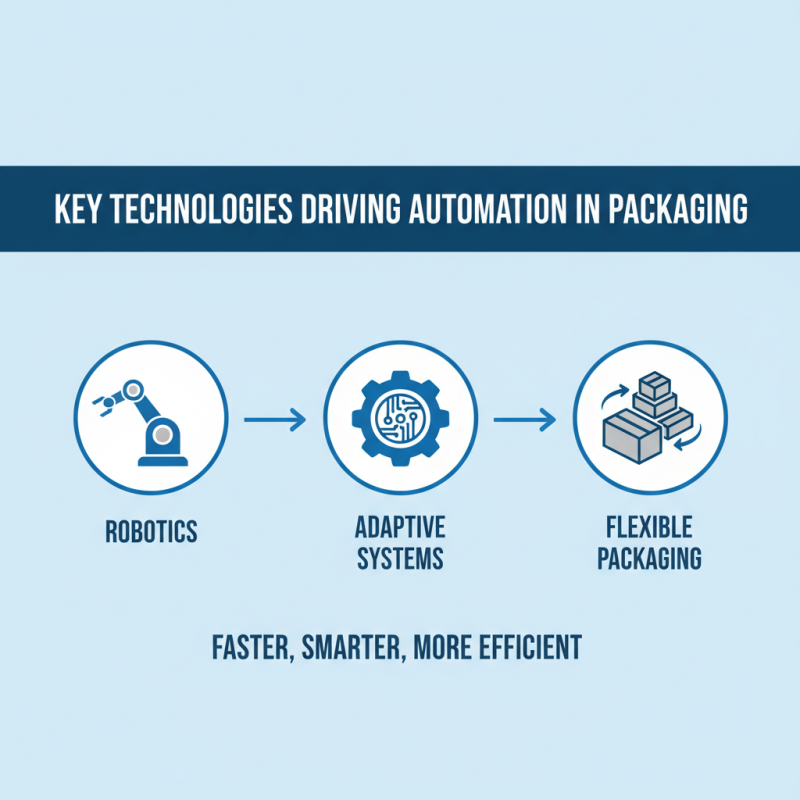
The packaging industry is undergoing a significant transformation. Automated packaging solutions are at the forefront of this change. Various technologies drive these advancements. Robotics play a crucial role in enhancing production efficiency. Automated systems can quickly adapt to different package sizes. This flexibility minimizes downtime during production runs.
AI and machine learning are revolutionizing quality control. These technologies analyze products in real-time, ensuring consistency. Sensors and cameras evaluate package integrity. Mistakes are detected early, saving resources. However, there are challenges. Not all automation systems integrate seamlessly with traditional setups. Staff may resist learning new technologies, raising concerns about job security.
Another critical aspect is data analytics. Insights gathered from packaging processes help companies make informed decisions. Understanding consumer behavior becomes easier. Yet, data privacy remains a concern. Companies must navigate these issues carefully. Despite obstacles, the benefits of automation in packaging are undeniable. The industry is evolving, driven by these innovative technologies.
Top 10 Automated Packaging Companies in China: Profiles and Innovations
The automated packaging industry in China is rapidly evolving. Companies are embracing innovation to improve efficiency and reduce costs. Recent reports show that automated packaging solutions can enhance productivity by up to 30%. This significant increase presents businesses with an opportunity to streamline operations.
Many leading companies have adopted cutting-edge technologies. Robotics, artificial intelligence, and advanced materials play a crucial role in this transformation. For instance, the use of smart packaging is becoming common. This trend enables better tracking and quality control. However, some companies still face challenges in integrating new systems, which can lead to disruption.
Tips: Consider evaluating automation options based on your specific needs. Custom solutions may yield the best results. Organizations should also invest in employee training. This ensures that staff can adapt to new technologies seamlessly. Addressing potential gaps in knowledge is vital for successful implementation.
Impact of Automated Packaging on Supply Chain Efficiency and Sustainability
Automated packaging is transforming supply chain efficiency. By reducing manual labor, companies can respond to market demands rapidly. Reports show that automation increases packaging speed by up to 50%. This speed leads to shorter lead times and a more agile supply chain.
A focus on sustainability also emerges with automated solutions. Automated packaging systems minimize waste and optimize material use. According to research, these systems can reduce packaging waste by 30%. That’s a significant step toward greener practices. Yet, transitioning to automation is not without challenges. Companies must invest in training and change management. Lack of skilled workers can hinder progress.
Tips: Regularly assess your automation strategy. Look for tech that suits your needs. Engage employees in the transition process. Their insights can guide smoother implementation. Re-evaluate frequently to ensure alignment with sustainability goals. Identifying areas for improvement can lead to further efficiencies.
Future Prospects for Automation in the Chinese Packaging Market
The Chinese packaging market is evolving rapidly. Automation plays a crucial role in this transformation. A report by Statista shows that the market for automated packaging is expected to reach $44 billion by 2025. This growth reflects the increasing demand for efficiency and speed in production.
Despite these promising figures, challenges persist. Many companies struggle with the initial costs of automation technology. The implementation process can also be lengthy and complex. A study highlighted that only 30% of companies in China had integrated advanced automation by 2022. This indicates a significant gap between potential and actual progress.
There is potential for improvement in worker training and technology adaptation. Many firms report that skilled labor is a barrier. Bridging this gap is essential for maximizing automation benefits. The future of the Chinese packaging industry hinges on overcoming these obstacles. Balancing innovation with practical execution will determine success in this dynamic landscape.
Automation in the Chinese Packaging Industry
This chart illustrates the impact of automation on various dimensions of the Chinese packaging industry. The scores reflect the perceived effectiveness of automation in enhancing production efficiency, reducing costs, promoting sustainability, driving technological advancements, and supporting market growth.