Dry Horseradish Best Uses and Benefits for Global Buyers?
Dry horseradish, or "Сухой Хрен," is gaining prominence in the global market. The spice's robust flavor and health benefits attract buyers worldwide. According to a recent report by Market Research Future, the demand for dry horseradish is projected to grow at a CAGR of 6.5% through 2028. Its versatility in culinary applications adds to its appeal.
Experts like Dr. Elena Ivanova, a specialist in food science, emphasize the significance of "Сухой Хрен" in enhancing dishes. She states, "The unique flavor profile of dry horseradish transforms ordinary recipes into gourmet experiences." This highlights its role beyond condiment use, positioning it as a crucial ingredient in modern gastronomy.
Despite its popularity, not all products meet high standards. Buyers must conduct thorough research. The market has variations in quality, which can affect flavor and health benefits. Thus, choosing the right supplier is vital. Ensuring the integrity of "Сухой Хрен" products can help in realizing their full potential in cooking and nutrition.
Understanding Dry Horseradish: An Overview of Its Characteristics
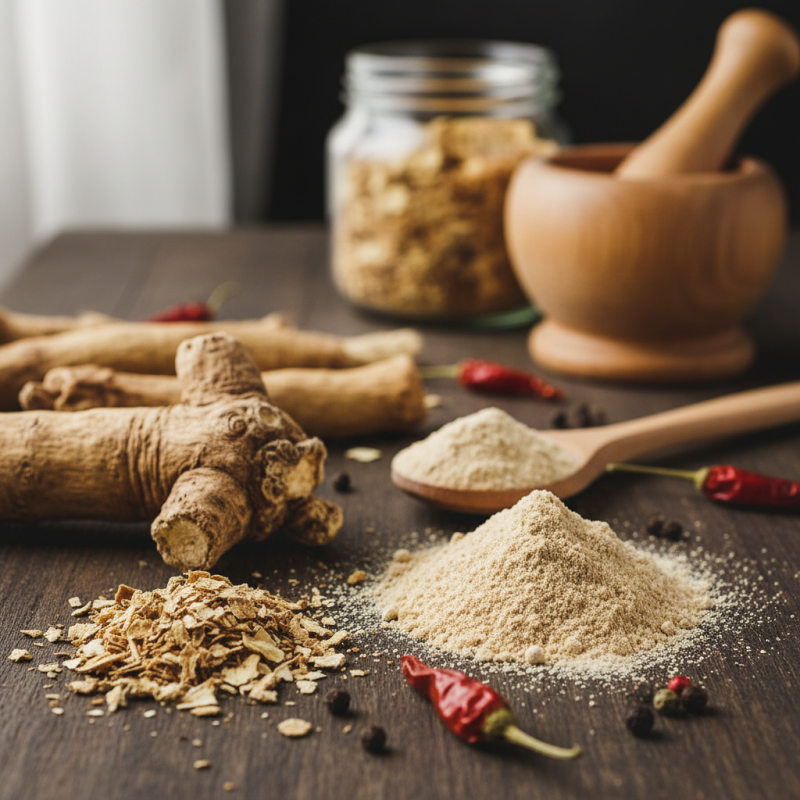
Dry horseradish, a versatile spice, has gained traction in global markets. Its unique flavor profile and health benefits make it a popular choice for culinary applications. According to the Food and Agriculture Organization, horseradish contains compounds like glucosinolates that contribute to its pungent taste and potential health benefits.
Understanding the characteristics of dry horseradish is essential. It typically has a coarse texture and a vibrant white color. This dryness helps to prolong its shelf life compared to fresh horseradish. Notably, it can retain its essential oils and flavors when stored correctly. Despite its benefits, some consumers may find its flavor overwhelming. This can lead to imperfect pairings in recipes.
**Tips:** When using dry horseradish, start with small amounts. Gradually increase the quantity to suit your taste. Combining it with creamy ingredients can mellow its bite. Experimenting with different dishes can help refine your palate to appreciate its distinctive flavor. Consider integrating it into sauces or dressings for a tangy kick. However, remember that excessive use can overpower other flavors. Balancing is key.
Dry Horseradish Uses and Benefits
This chart illustrates the various uses and benefits of dry horseradish, highlighting its significance in culinary applications, health benefits, preservation methods, flavor enhancement, and cultural importance.
Key Nutritional Benefits of Dry Horseradish for Health-Conscious Consumers
Dry horseradish is gaining popularity among health-conscious consumers due to its impressive nutritional profile. It is rich in vitamins C and B6, which are essential for immune function and maintaining energy levels. The pungency of dry horseradish comes from compounds that may enhance digestion and support gut health. Many people enjoy adding it to dishes for flavor, but the health benefits are just as compelling.
In addition to vitamins, dry horseradish contains glucosinolates, compounds linked to cancer prevention. These natural compounds can aid in detoxification and provide anti-inflammatory effects. Some users report that dry horseradish can help relieve sinus congestion. This makes it a dual-purpose addition to meals, serving both taste and health.
However, it’s critical to note that excessive consumption may lead to digestive discomfort for some individuals. Users should reflect on their own tolerance levels. While dry horseradish can enhance your diet, moderation is key. Using it creatively in recipes can maximize its health benefits while ensuring a positive culinary experience.
Culinary Applications: How to Use Dry Horseradish in Cooking
Dry horseradish is a versatile ingredient in the culinary world. Its unique flavor adds a distinct kick to various dishes. According to industry reports, the demand for dry horseradish has grown by 12% over the past year. Chefs and home cooks appreciate its ability to enhance flavors without overwhelming the palate.
In cooking, dry horseradish can be used in sauces, dressings, and marinades. It works well in creamy dips, adding zest to classic recipes. A simple mixture of sour cream and dry horseradish can elevate a sandwich or a roasted meat dish. Culinary experts suggest combining it with vinegar to create a tangy condiment, which pairs beautifully with seafood.
In baking, dry horseradish can be an unexpected surprise. Incorporating it into bread recipes can provide a flavorful profile. However, balancing its strong taste is crucial. Too much can overpower other ingredients. Observing the right proportions can lead to exciting flavor combinations worthy of experimentation.
Global Market Trends: Demand and Supply for Dry Horseradish
The dry horseradish market is experiencing notable trends driven by rising consumer awareness of health benefits. According to recent industry reports, global demand for dry horseradish has increased by 15% annually. This growth is fueled by its use as a natural condiment and functional ingredient in various cuisines. Health-conscious consumers increasingly seek natural flavors rather than artificial substitutes.
In terms of supply, regions like North America and Europe dominate production due to favorable climate conditions. These areas yield high-quality dry horseradish that meets global standards. Despite this, supply chain challenges remain, impacting distribution. Disruptions during the pandemic have prompted suppliers to rethink their strategies. Flexibility in sourcing will be key for success in this dynamic market.
**Tips:** When purchasing dry horseradish, always check for quality certifications. Opt for products that specify sourcing details. Store it properly to maintain freshness. Understanding geographical sources can enhance your product choices, leading to better culinary outcomes. Always consider seasonal fluctuations in supply, as they could affect pricing and availability.
Tips for Storing and Preserving Dry Horseradish for Longevity
When it comes to preserving dry horseradish, proper storage is key to maintaining its flavors and potency. Store it in an airtight container placed in a cool, dark location. This simple step helps prolong freshness and prevents moisture from degrading its quality. Excess light and heat can diminish its strong, pungent flavor.
It's also wise to avoid frequent temperature changes. Once opened, try to use it within a few months for the best experience. You may also consider labeling the container with the date of opening, ensuring you keep track of its shelf life. Some find that grinding fresh horseradish root and mixing it with dry horseradish gives an exciting twist. Just remember, this mixture will have a shorter lifespan due to moisture content.
If you notice any change in color or smell, it's best to discard it. Experimenting with dry horseradish can be fun and rewarding, but keeping a close watch on storage conditions is crucial. This helps ensure that your culinary adventures are both enjoyable and safe. Proper practices lead to better flavors and less waste. While you may make mistakes, learning from them is part of the journey.
Dry Horseradish Best Uses and Benefits for Global Buyers
| Use | Benefits | Storage Tips | Preservation Method |
| Cooking Ingredient | Enhances flavor in sauces, marinades, and dressings | Store in a cool, dry place away from direct sunlight | Keep in airtight containers to avoid moisture |
| Health Supplement | Rich in antioxidants and may aid digestion | Refrigerate if opened | Vacuum sealing extends shelf life |
| Culinary Decoration | Adds visual appeal and flavor accent to dishes | Use dark glass containers to prevent light exposure | Store in a freezer to maintain freshness |
| Spicy Condiment | Provides a zesty kick to sandwiches and dips | Keep in a cool container | Seal properly to prevent air exposure |
| Pickling | Great for making spicy pickles and relishes | Maintain a stable temperature while stored | Use vinegar for preservation |
