Best Plastic Boxes in China for Global Buyers?
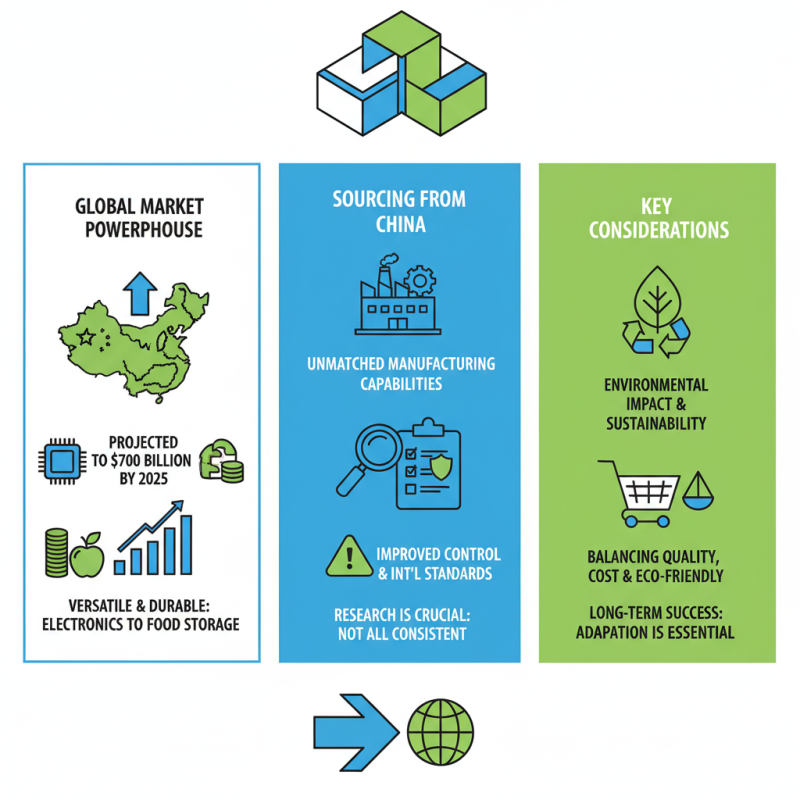
China has become a powerhouse in the global Plastic box market. According to recent industry reports, the plastic packaging market is projected to grow significantly, reaching $700 billion by 2025. Plastic boxes are versatile and durable, making them essential for various sectors. From electronics to food storage, their applications are diverse.
As a global buyer, understanding the best options in China is crucial. The country's manufacturing capabilities are unmatched, offering a wide range of plastic box designs. Moreover, quality control has improved, aligning with international standards. However, not all suppliers maintain consistent quality. It’s vital for buyers to do thorough research on potential manufacturers.
While the benefits of sourcing from China are clear, challenges exist. The environmental impact of plastic production cannot be ignored. Sustainability is becoming a key factor in consumer choices. Thus, global buyers must also consider eco-friendly alternatives. Balancing quality, cost, and sustainability is essential in today's market. Responsiveness to these factors will determine long-term success in sourcing plastic boxes.
Understanding the Plastic Box Market in China
The plastic box market in China offers immense opportunities for global buyers. China is one of the largest manufacturers of plastic products, including boxes. These products come in various shapes, sizes, and materials. This diversity meets the needs of different industries, from retail to manufacturing.
When considering a purchase, it's essential to assess the quality of the plastic used. Some boxes may seem visually appealing but lack durability. Look for suppliers who prioritize quality control. Learning about the manufacturing processes can also provide insights into the reliability of the products.
Tips: Always request samples before placing bulk orders. This helps you evaluate the quality firsthand. Engage with local suppliers to understand market trends better. They often have valuable knowledge about what works best. Awareness of local regulations is also crucial. This can prevent issues with transportation and customs that lead to delays.
Plastic Box Market Analysis in China
Key Manufacturers of Plastic Boxes in China
China has become a significant player in the plastic box manufacturing sector. The industry is driven by both domestic needs and international demand. Data from the China Plastic Products Industry Association indicates that plastic packaging is growing annually by over 7%. This growth is fueled by increased consumption across various sectors such as food, electronics, and household goods.
Key manufacturers in China operate under a mix of advanced technologies and traditional practices. A recent report highlights that over 30% of the leading manufacturers are adopting eco-friendly materials. This shift responds to global calls for sustainability. Despite these advancements, challenges remain. Quality control is often inconsistent, leading to varying product standards. Solid waste management also presents issues, particularly in manufacturing processes.
The industry's future looks promising, but it must navigate these hurdles. Continuous investment in research and development is crucial. Yet, some manufacturers struggle to keep up. Understanding market trends and refining production processes is essential for survival. Global buyers are advised to perform thorough due diligence when selecting suppliers. This ensures they find reliable partners in an evolving landscape.
Types of Plastic Boxes Available for Global Buyers
In recent years, plastic boxes have gained immense popularity among global buyers. A diverse range of options exists, crafted to suit various needs. From storage containers to industrial packaging solutions, the types of plastic boxes are abundant. According to a report from Grand View Research, the global plastic packaging market size was valued at approximately $450 billion in 2020, with plastic boxes playing a crucial role in this growth.
Storage boxes are one of the most common types. They come in various sizes and colors, catering to different uses. Many buyers prefer stackable boxes due to their space-saving attributes. For industrial sectors, heavy-duty plastic boxes are essential. They can withstand significant weight while ensuring product safety. A study published in Packaging Technology and Science indicates that using plastic boxes instead of metal options can reduce overall shipping costs by up to 15%.
Tips: When selecting plastic boxes, consider their material and design. High-density polyethylene (HDPE) is durable and suitable for long-term storage. Transparent boxes allow easy visibility of contents.
Additionally, collapsible plastic boxes have become increasingly popular. They save space when not in use, making them ideal for logistics. However, buyers must ensure they meet specific regulatory standards for their intended use. Always seek certifications to confirm quality and safety standards are met.
Quality Standards and Certifications for Plastic Boxes
When considering plastic boxes for global markets, quality standards are paramount. These standards ensure that the boxes are safe and durable. Buyers should focus on certifications such as ISO and FDA. These certifications guarantee adherence to rigorous testing and manufacturing processes.
Tips: Verify the certification documents. Ask for samples to check the quality.
It's essential to understand that not all manufacturers strictly follow these standards. Some may cut corners to save costs. This can lead to subpar products that don't meet expectations. Ensuring compliance with safety regulations is vital for long-term usability.
Tips: Research the manufacturer's reputation. Read reviews and feedback from other customers.
Investing time in examining potential suppliers pays off. This due diligence helps avoid poor-quality products. Industry experience and reliable partnerships contribute to procurement success. Quality assurance should be a top priority for any buying decision.
Tips for Sourcing Plastic Boxes from China Effectively
Sourcing plastic boxes from China requires careful planning and attention to detail. Understand your specific needs before starting. Consider the size, material, and design of the boxes. Research suppliers thoroughly. Quality varies, and it's crucial to find reliable partners. Look for manufacturers with experience, preferably those who specialize in plastic products.
Don't skip the sampling phase. Request samples to evaluate quality firsthand. Pay attention to the workmanship and material used. Sometimes, what looks good in pictures may not meet expectations. Be mindful of communication barriers. Language differences can lead to misunderstandings. Clarify your requirements clearly to avoid miscommunications.
Pricing often fluctuates. Be aware of seasonal changes that may affect costs. Negotiate terms carefully. While you want the best price, don't compromise quality. Many buyers regret rushing this step. Trust your instincts, but remain objective. It's essential to think long-term when sourcing plastic boxes. Always keep your project goals in sight.
