Best Eco Friendly Pharmaceutical Packaging Solutions at Canton Fair 2026?
As the global demand for sustainability grows, the pharmaceutical industry is evolving. The focus on Eco Friendly Pharmaceutical Packaging has become essential. According to a recent report by Freedonia Group, sustainable packaging in pharmaceuticals is expected to grow at an annual rate of 8% over the next five years. Notably, key players are investing in greener materials and innovative designs.
Expert Dr. Emily Carter, a leading figure in sustainable packaging, emphasizes, "We need solutions that not only protect medicines but also protect our planet." This sentiment reflects the industry's shift towards materials that are both functional and environmentally responsible. Such progress is evident in the upcoming Canton Fair 2026, where the pharmaceutical sector will highlight these eco-friendly innovations.
However, challenges remain. Effective recycling processes and consumer awareness are still critical gaps. Companies must navigate these issues while striving for efficiency. The need for change is pressing. The industry's response will shape the future of Eco Friendly Pharmaceutical Packaging. This is not just a trend; it's an urgent necessity for a sustainable future.
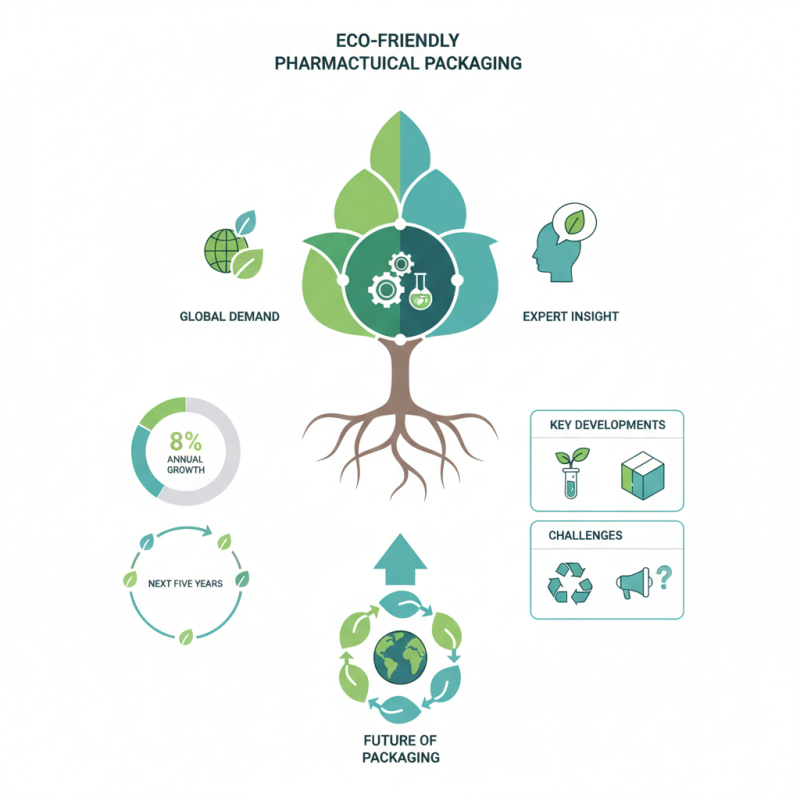
Overview of Eco-Friendly Pharmaceutical Packaging Trends
Eco-friendly pharmaceutical packaging is gaining momentum as sustainability becomes a priority. According to a recent report, 73% of consumers prefer brands that utilize eco-friendly packaging. This trend reflects a broader shift towards responsible manufacturing practices within the pharmaceutical industry.
At the forefront of this movement are biodegradable materials. Research shows that biodegradable plastics can reduce landfill waste by up to 30%. Companies are exploring alternatives like plant-based polymers. However, not all materials are viable for every product. It’s essential to assess performance alongside eco-friendliness.
Tips: When selecting packaging, prioritize durability and environmental impact. Test materials in real-world conditions before making a commitment. Ensure that your choice aligns with industry regulations. Keep an eye on innovations coming from research institutions for future solutions.
Another important aspect is recyclability. Effective recycling can reduce environmental harm significantly. However, only 9% of plastic waste gets recycled globally. Improving collection systems and consumer education can enhance this figure. Materials must be straightforward to recycle. Complexity can deter recyclers and disrupt processes. There’s still much to learn and improve in creating sustainable systems.
Innovative Materials for Sustainable Pharmaceutical Packaging
As the pharmaceutical industry faces increasing pressure to become sustainable, innovative materials are emerging as viable solutions. At the Canton Fair 2026, attendees will explore various eco-friendly options. These materials focus on reducing environmental impact while ensuring product safety and efficacy. Biodegradable plastics and plant-based resins are at the forefront of this movement. These alternatives can decompose naturally, minimizing landfill waste.
Moreover, researchers are experimenting with seaweed-based packaging. This material is sustainable and offers unique properties. It has a soft texture and prevents moisture, which is crucial for many pharmaceuticals. However, the inconsistency in production quality raises concerns. There is a need for standardized testing protocols to ensure reliability.
Recyclable options also feature prominently at the fair. Paper and cardboard-based materials can often be recycled easily. Yet, they may not always provide the protection needed for sensitive contents. This brings forward the question of balance: how to ensure safety while remaining eco-conscious? These discussions are essential for the future of sustainable pharmaceutical packaging.
Key Players and Exhibitors at Canton Fair 2026
As the world becomes increasingly eco-conscious, pharmaceutical packaging is evolving. At the Canton Fair 2026, key players in this sector focus on sustainable solutions. These exhibitors will showcase biodegradable materials, recycled components, and innovative designs aimed at reducing environmental impact.
Recent industry reports indicate that sustainable packaging can reduce carbon emissions by up to 30%. This statistic highlights the importance of these advancements. Eco-friendly packaging not only appeals to consumers but also aligns with industry regulations. The demand for green solutions in pharmaceuticals is rising rapidly.
Tips: Consider biodegradable options seriously. Explore materials that break down naturally. While many designs are innovative, not all are widely accepted yet. Companies should create awareness about these sustainable choices. Engaging customers in discussions may influence their preferences. The challenge remains—finding cost-effective solutions that do not compromise quality.
Best Eco Friendly Pharmaceutical Packaging Solutions at Canton Fair 2026
This bar chart represents the different categories of eco-friendly pharmaceutical packaging solutions showcased at the Canton Fair 2026. It highlights the estimated market share of each category based on exhibitor feedback and industry trends.
Regulatory Considerations for Eco-Friendly Packaging Solutions
As the demand for eco-friendly pharmaceutical packaging grows, regulatory considerations play a critical role. Various countries impose strict guidelines that manufacturers must follow. Materials used for packaging must be safe and sustainable. They should not react with the medication inside. Compliance with these regulations is essential to avoid penalties.
Many companies struggle with balancing sustainability and compliance. They want to use recyclable materials but must ensure safety. For instance, biodegradable options can sometimes lack durability. This raises questions about their effectiveness in protecting products. Additionally, labeling requirements can vary. Proper communication with consumers is crucial.
Innovative materials are emerging, but challenges remain. Some eco-friendly options still have a high environmental impact during production. Understanding these impacts requires diligent research. Companies must assess not only the packaging's end-of-life but also how it's made. Continual reflection on these aspects can lead to better solutions in the future.
Future Directions in Pharmaceutical Packaging Sustainability
In recent years, the pharmaceutical industry has increasingly focused on sustainability. Eco-friendly packaging solutions are crucial for reducing environmental impacts. Reports show that about 66% of consumers expect brands to take a stand on sustainability. This demand is pushing pharmaceutical companies to rethink their packaging materials and processes.
At the Canton Fair 2026, innovative packaging options will likely take center stage. Biodegradable plastics and recyclable materials are becoming more prevalent. Studies indicate that switching to sustainable packaging can reduce carbon footprints by up to 30%. However, challenges remain. Some eco-friendly materials may not provide the same level of protection as traditional packaging. This can lead to concerns about product efficacy and safety.
**Tips:** Always consider the complete lifecycle of packaging. Assess how materials decompose or can be reused. Collaborate with packaging engineers to find balance between sustainability and functionality. Manufacturers should invest in research and development for better materials. Investing upfront can yield long-term environmental savings.
Best Eco Friendly Pharmaceutical Packaging Solutions at Canton Fair 2026? - Future Directions in Pharmaceutical Packaging Sustainability
| Packaging Type | Materials Used | Sustainability Features | Potential Impact |
| Blister Packs | Recyclable PET | Plastic reduction, Reusable | Lower carbon footprint, Waste reduction |
| Paper Packaging | Recycled cardboard | Biodegradable, Sustainable sourcing | Enhances brand image, Decreases landfill waste |
| Glass Containers | Recycled glass | Reusable, Fully recyclable | Long lifespan, Reduces plastic dependency |
| Plant-Based Plastics | PLA (Polylactic acid) | Compostable, Derived from renewable resources | Less environmental impact, Supports sustainable agriculture |
| Eco-Friendly Labels | Soy-based inks, Recycled paper | Non-toxic inks, Fully recyclable | Improves recyclability of packaging, Safer for the environment |
