2026 Best Case Packer Solutions for Global Buyers?
In the fast-evolving packaging industry, finding the right case packer is crucial for efficiency. Buyers worldwide are looking for innovative solutions to meet their unique needs. The right case packer can streamline operations, reduce labor costs, and maximize output.
As we explore the 2026 best case packer solutions, it is essential to recognize the vast options available. Various technologies and designs cater to different packaging requirements. Global buyers need to weigh their choices carefully. Each solution has its pros and cons, and not all may fit every scenario perfectly.
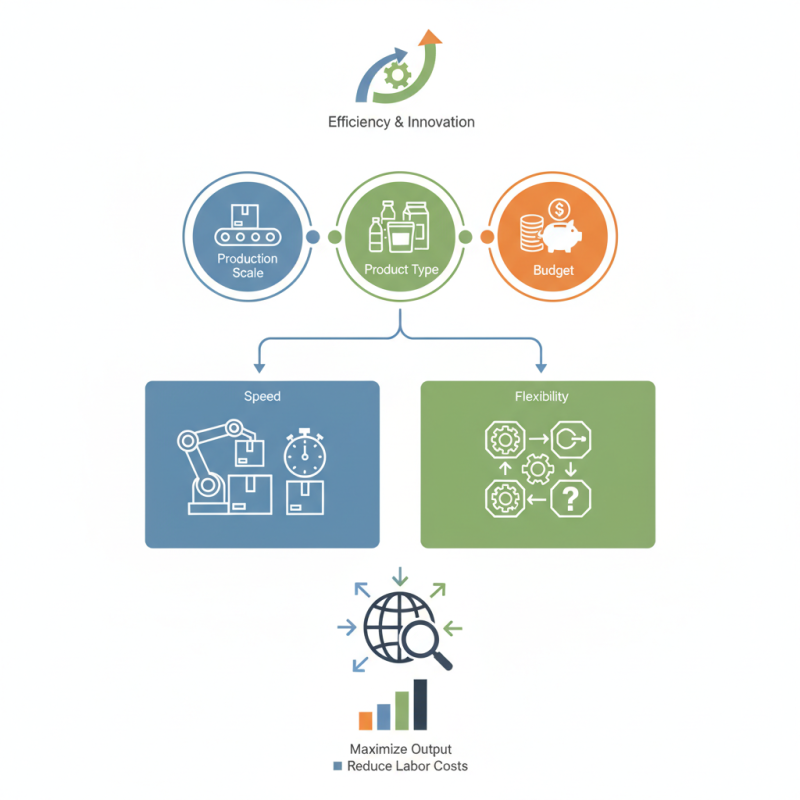
Investing in a case packer is a significant decision. Every buyer should consider their production scale, product type, and budget. Some may prioritize speed, while others focus on flexibility. As you review the best solutions, reflect on how they align with your specific operational goals.
2026 Global Trends in Case Packer Technologies and Innovations
As we approach 2026, the landscape of case packing technologies is evolving rapidly. Industry reports indicate that the global market for case packing machines is projected to grow at a CAGR of 6.5%, reaching $5.2 billion by 2026. This growth is driven by the increasing demand for automation and efficiency across various sectors, including food and beverage, pharmaceuticals, and consumer goods.
Emerging trends highlight the integration of AI and IoT in case packing solutions. These technologies enable real-time monitoring and optimization of packing processes. For instance, smart sensors can track product dimensions and adjust packing sizes on the fly. This leads to reduced material waste and improved packing speed. However, companies must also consider the challenges of workforce adaptation to new tech.
Tip: Investing in staff training is crucial when implementing new technologies.
Sustainable packaging solutions are also gaining momentum. The demand for eco-friendly materials has surged, reflecting consumer preferences for greener options. Some reports suggest that up to
70% of consumers expect brands to adopt sustainable practices. However, transitioning to sustainable materials can be challenging and requires careful planning and investment.
Tip: Conduct a full lifecycle assessment of your packaging options to ensure sustainability.
Balancing innovation with practical application is key. Companies need to adopt technologies that align with their operational realities while being open to iterative improvements. Staying informed about industry changes is essential for maintaining a competitive edge.
Key Features of the Best Case Packer Solutions in 2026
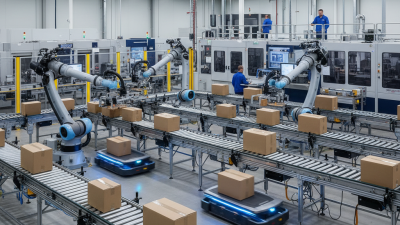
In 2026, the best case packer solutions will focus on automation, speed, and flexibility. These features are essential for modern packaging operations. Automated systems can adapt to various product sizes and shapes, increasing efficiency. Real-time monitoring will ensure consistent quality control and minimize waste. Moreover, user-friendly interfaces will simplify operations, allowing staff to operate machinery with ease.
Another key aspect will be integration capabilities. The best solutions will connect seamlessly with existing production lines and supply chains. This integration can streamline processes and enhance data flow. Users may encounter challenges when integrating new technologies. Training will be necessary, highlighting the importance of ongoing support and resources.
Sustainability will also play a vital role. Eco-friendly materials and energy-efficient operations will be priorities. However, transitioning to sustainable practices can pose challenges during implementation. Companies must balance environmental goals with productivity and cost. The evaluation of case packer solutions will require careful consideration of these factors.
Market Analysis: Demand for Case Packers Among Global Buyers
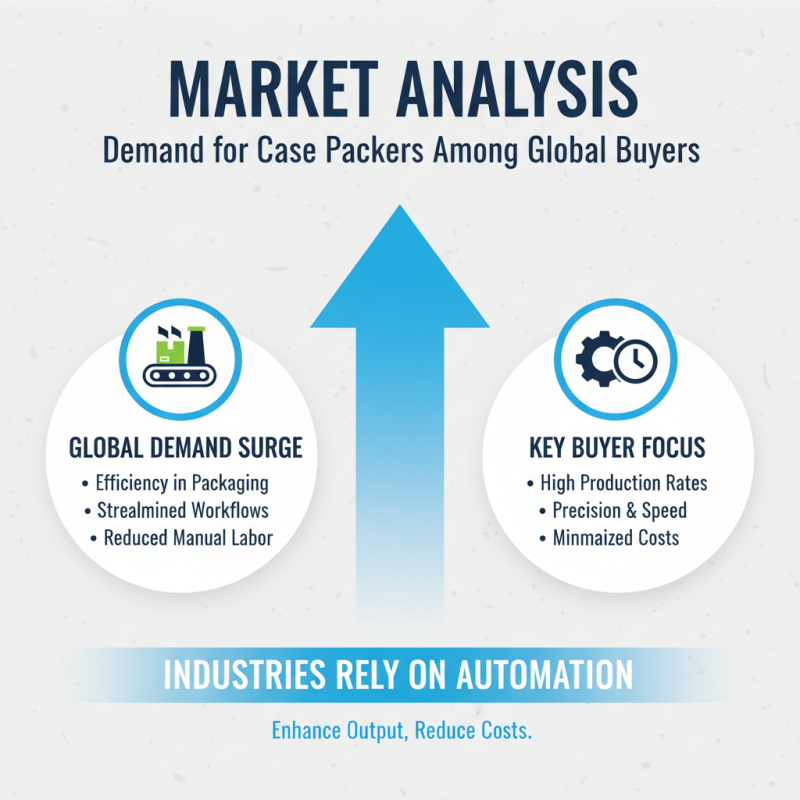
The demand for case packers is surging globally. This increase stems from the need for efficiency in packaging operations. Many industries rely on case packers to streamline their workflows and reduce manual labor. With high production rates, these machines enhance output and minimize costs. Buyers seek reliable solutions that ensure precision and speed.
Market analyses reveal varying needs among global buyers. Some companies favor semi-automatic systems, while others opt for fully automatic solutions. The choice often depends on production scale and product type. Smaller businesses may prefer lower-capacity models that are cost-effective. Larger manufacturers, however, may encounter challenges when scaling up operations. They seek adaptable, high-performance equipment that can handle diverse packaging requirements.
Innovation plays a pivotal role in shaping buyer preferences. Buyers are increasingly interested in smart technology integration. This shift presents opportunities for manufacturers to develop advanced features. However, not all technologies meet expectations. Buyers must critically evaluate solutions to ensure compatibility with existing systems. There remains a need for ongoing technical support and training for operators. As the market evolves, a measured approach to selecting case packers will be crucial for sustained success.
Top Manufacturers Leading the Case Packer Market in 2026
As the demand for efficient packaging continues to rise, the case packer market evolves rapidly. Leading manufacturers in this industry are focusing on innovative technologies. They aim to enhance productivity while maintaining quality. Companies are investing in automation and smart machinery for better efficiency.
It's essential to evaluate your specific needs before choosing a case packer. Consider factors like production speed and packaging type. A thorough analysis can prevent costly mistakes. Look for manufacturers with a strong reputation in the market. Reliable partners can provide support throughout the lifecycle of your equipment. This ensures optimal performance in your packaging line.
Lastly, stay informed about emerging trends in the case packing industry. Technologies such as artificial intelligence and machine learning are gaining traction. These innovations can significantly impact your production processes. Keeping an open mind to new solutions can drive success for your business in 2026 and beyond.
Sustainability and Eco-Friendly Practices in Modern Case Packer Solutions
Sustainability is essential for modern case packer solutions. Manufacturers are increasingly adopting eco-friendly practices. Many are using recyclable materials for packaging. This shift reduces waste throughout the supply chain. Companies are implementing energy-efficient technologies as well. This not only saves costs but also minimizes environmental impact.
However, the transition is not seamless. Some manufacturers struggle with costs associated with sustainable materials. Balancing cost and sustainability can prove challenging. Furthermore, training staff to adapt to new processes requires time and resources. There is often a lack of awareness about the latest eco-friendly innovations in case packing.
Despite these hurdles, the benefits are significant. Eco-friendly practices appeal to environmentally conscious consumers. They help businesses build a positive brand image. Investing in sustainability can attract new customers looking for responsible options. Innovating in case packing solutions can lead to long-term success, but it requires commitment. The journey toward sustainability is ongoing, and reflection on these challenges is crucial.
2026 Best Case Packer Solutions for Global Buyers - Sustainability and Eco-Friendly Practices in Modern Case Packer Solutions
| Solution Type |
Features |
Sustainability Practices |
Efficiency Rating |
Cost Range (USD) |
| Robotic Case Packer |
Flexibility, Precision |
Uses recyclable materials |
High |
50,000 - 80,000 |
| Manual Case Packer |
Cost-effective, Low maintenance |
Minimal energy usage |
Moderate |
10,000 - 30,000 |
| Automatic Case Packer |
High speed, Automated |
Reduced material waste |
Very High |
100,000 - 150,000 |
| Horizontal Case Packer |
Compact design, Versatile |
Energy-efficient |
High |
75,000 - 120,000 |