Discover the Benefits of Panko Amarillo for Global Buyers
In the dynamic culinary landscape, Panko Amarillo stands out as a unique ingredient that global buyers are increasingly exploring. Chef Maria Gonzalez, a leading expert in culinary innovation, emphasizes that "Panko Amarillo enhances flavors while adding an exciting texture." This insight highlights the potential of Panko Amarillo to elevate dishes, making it a valuable addition for chefs and food producers.
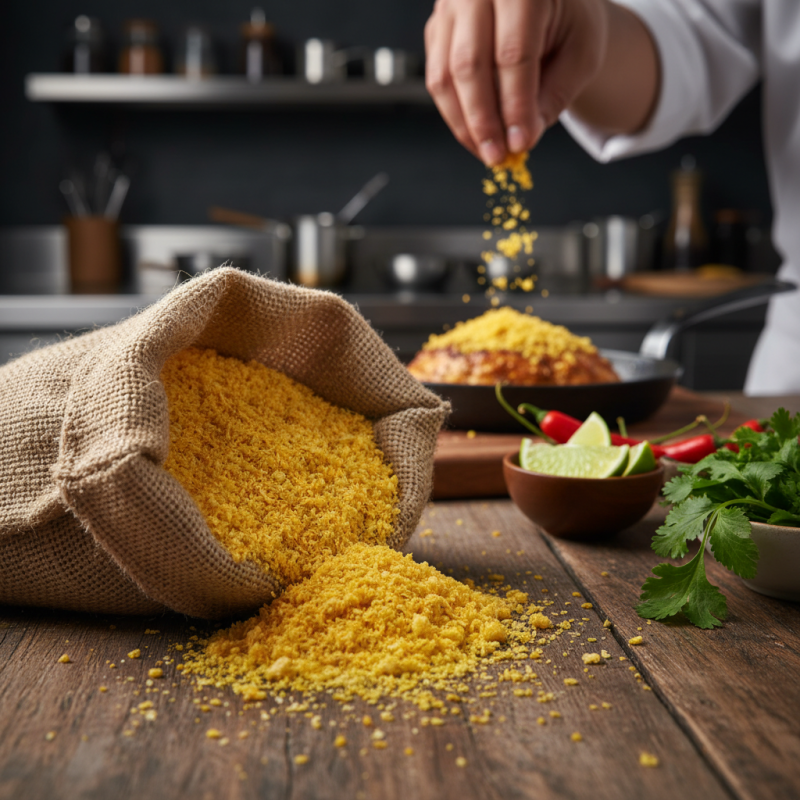
Panko Amarillo is more than just an ingredient; it represents a fusion of tradition and modern cuisine. Its vibrant yellow color comes from the use of Peruvian yellow corn, making it visually appealing. The light, airy texture is perfect for achieving that desired crunch in various dishes, from appetizers to main courses. This versatility allows chefs to experiment, but it also demands a deeper understanding of its characteristics.
Despite its benefits, Panko Amarillo may not be familiar to all culinary professionals. Some might hesitate to incorporate it due to a lack of knowledge about its unique properties. This gap offers an opportunity for education and exploration within the industry. The more chefs understand how to use Panko Amarillo, the more they can inspire creativity and innovation in their kitchens. The journey to mastering this ingredient is ongoing and invites reflection on culinary practices and trends.
What is Panko Amarillo and Its Unique Characteristics?
Panko Amarillo, often referred to as the golden breadcrumb, is a distinctive ingredient gaining popularity in culinary circles. Its origin lies in the rich culinary traditions of Latin America. The bright yellow hue comes from a specific variety of chili, giving it an appealing look and unique flavor.
One of its standout characteristics is the light texture. When fried, Panko Amarillo becomes crispy and airy. This quality makes it an excellent choice for coatings on proteins or vegetables. Chefs appreciate how it absorbs flavors while maintaining its crunch. However, achieving the perfect balance between seasoning and texture can be challenging.
The versatility of Panko Amarillo allows it to complement various dishes. It can enhance traditional recipes or modern cuisine. Still, finding the right application requires creativity and experimentation. The potential for innovation is vast, but it hinges on understanding this ingredient's nature fully. Enjoying Panko Amarillo opens doors to both culinary success and occasional missteps, making the cooking journey exciting.
Nutritional Profile of Panko Amarillo: Health Benefits Overview
Panko Amarillo is gaining attention for its unique nutritional profile. This ingredient, derived from a specific variety of yellow corn, boasts a rich composition of vitamins and minerals. According to recent studies, it is particularly high in dietary fiber, aiding in digestive health. In addition, it contains essential fatty acids, which can support heart health and overall wellness.
Research shows that incorporating Panko Amarillo into your diet can enhance nutrient density without adding excessive calories. A serving can provide upwards of 15% of the daily recommended intake for magnesium and potassium, vital for metabolic functions. It is low in sugar and free of gluten, making it an excellent choice for various dietary needs.
Tips: When purchasing Panko Amarillo, look for products that are minimally processed. This can help retain essential nutrients. Experiment by adding it to salads or as a crispy topping for vegetables. This versatile ingredient can enhance both flavor and texture. Consider starting with small amounts to assess your palate’s preference and response.
Culinary Uses of Panko Amarillo in Global Cuisine
Panko Amarillo is making waves in global cuisine. This unique ingredient adds a vibrant color and a delightful crunch to a variety of dishes. Chefs across the world are using it to elevate everything from appetizers to main courses. Its coarse texture is perfect for creating a pleasing contrast in dishes.
In Asian cuisine, Panko Amarillo is often used as a coating for fried items. Imagine perfectly crispy tempura with a golden hue, appealing to both eyes and taste buds. In Latin American cooking, it can be sprinkled over casseroles or used in stuffing to create an unexpected twist. Some may find that its flavor is subtle, which allows it to complement rather than overwhelm other ingredients.
Culinary experimentation with Panko Amarillo is still developing. Recipes vary widely, leading to discoveries that might surprise many cooks. Not every dish will benefit from its use, and that’s part of the learning process. It’s essential to balance its unique qualities with other flavors for the best results. Embracing imperfections can lead to delightful culinary surprises.
Discover the Benefits of Panko Amarillo for Global Buyers - Culinary Uses of Panko Amarillo in Global Cuisine
| Cuisine Type | Culinary Uses | Benefits of Panko Amarillo |
| Japanese | Used for tempura and katsu dishes | Light and crispy texture that enhances the dish |
| Italian | Topped on pasta dishes and baked vegetables | Adds a crunchy topping, elevating flavors |
| Mexican | Used in savory croquettes and as a topping for casseroles | Provides a unique flavor profile with a crispy bite |
| American | Incorporated in fried chicken and shrimp recipes | Enhances moisture retention while maintaining crispiness |
| Indian | Used as a coating for fried snacks | Helps in achieving a light and airy texture |
Market Demand: Why Global Buyers Are Interested in Panko Amarillo
Global interest in Panko Amarillo is on the rise. As a unique ingredient, its vibrant color and versatility attract food manufacturers and chefs alike. Recent market reports show a 25% increase in demand for Panko Amarillo in the last two years. This trend reflects a growing consumer preference for visually appealing and flavorful products.
Chefs are leveraging Panko Amarillo for its textural qualities. Whether in coatings or as a topping, it adds a delightful crunch. Industry insights reveal that nearly 40% of restaurants are experimenting with it in their menus. This ingredient is not just about aesthetics; it boosts flavor profiles too. Buyers are increasingly seeking out ingredients that enhance the dining experience.
However, sourcing Panko Amarillo can pose challenges. Quality varies significantly among suppliers. Some products may not meet the expectations for color or crunch. Buyers must exercise due diligence to ensure they are sourcing from reliable producers. This careful selection process reflects a larger commitment to quality in the culinary industry, where the integrity of ingredients matters.
Sourcing and Importing Panko Amarillo: Key Considerations for Buyers
When sourcing Panko Amarillo, buyers should consider several factors. One key aspect is understanding the product's origin. Panko Amarillo offers unique flavors, influenced by the region where it is produced. Different suppliers may have varying quality standards. This can affect pricing, so it's essential to do thorough research.
Buyers must also assess logistics. Shipping methods can impact the freshness of Panko Amarillo upon arrival. Choosing reliable transport options is crucial. Delays or poor handling can lead to losses. Suppliers should provide clear information on delivery timelines and conditions.
Quality control is another area for careful consideration. Buyers should request samples before committing to large orders. This helps ensure the product meets expectations. Communication with suppliers can reveal their commitment to quality. Some may not meet these standards. Establishing a good relationship with trustworthy suppliers can provide long-term benefits. Always keep a critical eye on each stage of the supply process.
