Top Automated Packaging Solutions in China for Global Buyers?
In the rapidly evolving world of automated packaging, China stands as a central player. As global buyers seek efficiency and reliability, understanding top solutions is crucial. John Smith, a recognized expert in automated packaging, states, “Innovative packaging solutions will redefine how goods are delivered globally.” This insight underscores the importance of leveraging technology in packaging.
China's automated packaging industry is not just about speed; it also emphasizes precision and sustainability. Companies here are innovating to meet international standards while reducing waste. For instance, advanced robotics play a significant role in enhancing packaging processes. However, not all solutions are perfect. Some systems may require fine-tuning and adaptation for specific needs.
In an era where customer expectations are high, the focus on automated packaging cannot be overstated. Buyers must consider factors like scalability and integration within existing operations. The landscape is ever-changing, and companies must remain agile. Understanding the nuances of automated packaging solutions can lead to better choices and, ultimately, increased competitiveness.
Overview of Automated Packaging Solutions in China
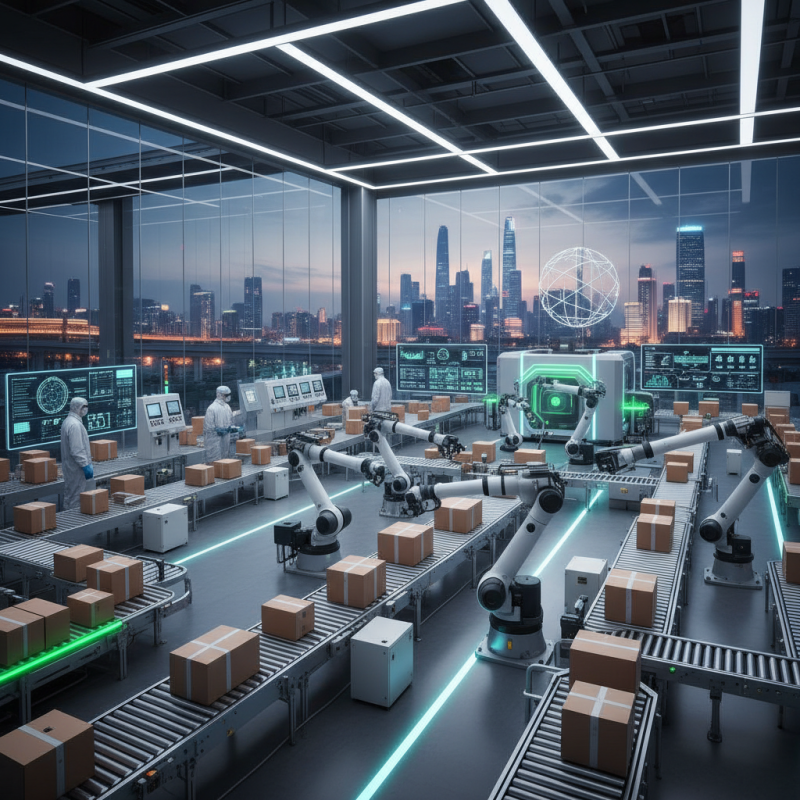
China's automated packaging solutions are gaining substantial traction among global buyers. The country's packaging industry is expected to grow at a CAGR of 7.2% from 2021 to 2026, driven by increasing automation and digitalization. Businesses are adopting advanced technologies to enhance efficiency, reduce waste, and meet the growing demand for sustainable packaging.
Numerous reports reveal that automated packaging can reduce labor costs by up to 30% and increase production speed by more than 50%. Features like robotic arms and AI-driven systems improve precision and allow for real-time adjustments. Yet, companies must carefully evaluate the costs and risks involved. Implementing automation is not just about technology; it involves redefining workflows and retraining staff.
Tips: When considering automated solutions, assess your current packaging processes. Identify bottlenecks that automation could resolve. Also, consult industry experts to understand the potential return on investment. Take time to weigh both short-term gains and long-term implications. Engaging with suppliers for trial runs can provide valuable insights without making a full commitment.
Key Players in China's Automated Packaging Industry
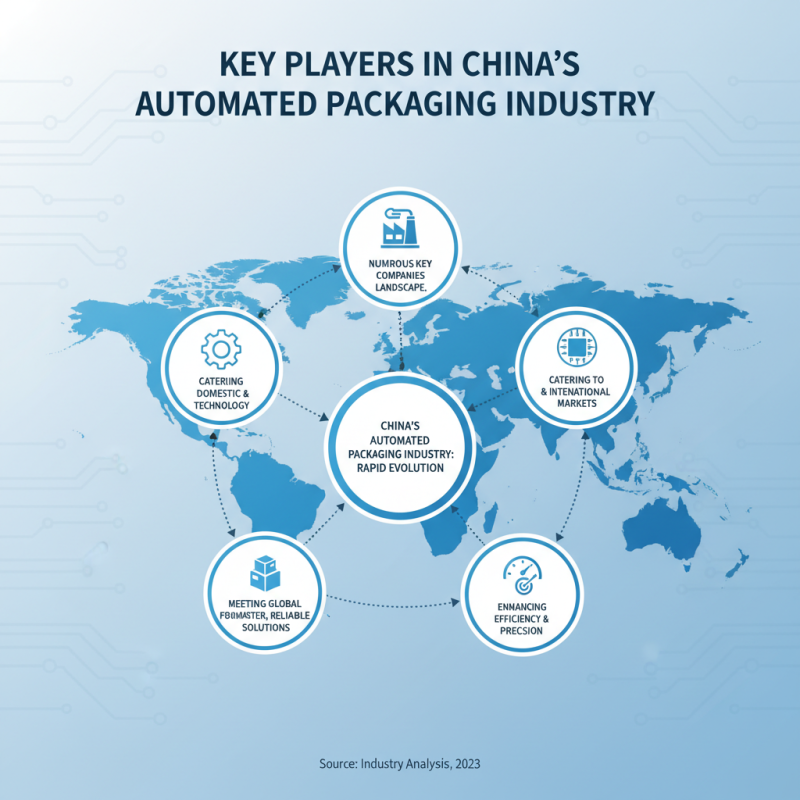
China's automated packaging industry is rapidly evolving. Numerous key players are shaping the landscape, catering to both domestic and international markets. Companies here leverage cutting-edge technology, enhancing efficiency and precision in production. This revolution is significant, given the global demand for faster and reliable packaging solutions.
Many leading firms focus on sustainability in their packaging systems. They aim to reduce waste and lower energy consumption. Innovations such as biodegradable materials and smart packaging technologies are gaining traction. However, navigating regulatory standards can be challenging. Companies must stay updated on changing guidelines to ensure compliance.
Customer feedback reflects a mixed perspective on automation. While some appreciate the speed of automated systems, others express concerns about quality. Manual inspection still plays a role in maintaining high standards. As the industry evolves, balancing speed and quality remains crucial. Continuous improvement is necessary for long-term success in China’s automated packaging arena.
Technological Innovations Driving Packaging Automation
The landscape of packaging automation in China is rapidly evolving, driven by technological innovations. In recent years, the market has seen significant changes. Reports indicate that the automation packaging sector is projected to grow at a compound annual growth rate (CAGR) of 9.3% from 2023 to 2030. This growth reflects the increasing demand for efficiency among global buyers.
Technologies such as robotics, artificial intelligence, and machine learning are reshaping packaging processes. Smart packaging solutions now allow for real-time monitoring and adjustments, enhancing both speed and accuracy. For instance, automated robotic arms optimize material handling, reducing labor costs by up to 30%. However, challenges remain. Many companies struggle with integrating these advanced systems into existing workflows. The learning curve can be steep, and initial investments are often high.
Moreover, sustainability concerns are pushing the industry toward eco-friendly options. Reports show that 63% of manufacturers are now prioritizing sustainable packaging technologies. While this shift is commendable, it raises questions about the overall impact on production efficiency. Balancing sustainability with performance efficiency continues to make packaging automation a complex yet vital topic for global buyers.
Benefits of Automated Packaging for Global Buyers
Automated packaging solutions offer a multitude of benefits for global buyers. These systems enhance efficiency and significantly reduce labor costs. With advanced machinery, products are packed faster than manual processes. This efficiency helps companies meet rising consumer demands without additional staffing.
Quality control is another important aspect of automated packaging. Machines are designed to deliver consistent results, which minimizes errors. For businesses, this leads to fewer returns and enhanced customer satisfaction. However, depending solely on automation can pose risks. Machines may malfunction, leading to production delays.
Additionally, automated systems often utilize eco-friendly materials. This aligns with the increasing demand for sustainable practices in packaging. While this is a positive step, buyers must also ensure that suppliers maintain environmental standards. Balancing automation with human oversight creates a more reliable system, ultimately benefiting all stakeholders involved.
Top Automated Packaging Solutions in China for Global Buyers
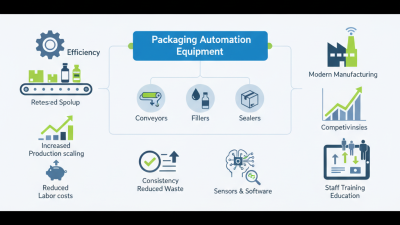
This chart illustrates the key benefits of automated packaging solutions for global buyers. The data indicates that efficiency and sustainability are of utmost importance, showcasing the value of automation in the packaging industry.
Challenges and Considerations for Importing Packaging Solutions
When considering automated packaging solutions from China, several challenges arise for global buyers. Understanding local regulations is crucial. Importing packaging materials often involves navigating complex legal frameworks. According to industry reports, nearly 25% of importers face compliance issues. These difficulties can lead to delays and additional costs. Buyers must conduct thorough research to ensure they meet all requirements.
Quality assurance is another significant concern. Although Chinese manufacturers produce a range of innovative packaging solutions, variations in quality can be problematic. A recent study noted that 30% of imported goods needed rework due to quality issues. This underscores the importance of vetting suppliers and establishing clear quality control processes. Relying solely on price can result in hidden costs later.
Cultural differences may add another layer of complexity. Miscommunication can lead to misunderstandings about product specifications or delivery timelines. Reports indicate that 20% of international transactions are affected by poor communication. It's essential to foster clear dialogue and develop strong relationships with suppliers to avoid these pitfalls.
Top Automated Packaging Solutions in China for Global Buyers
| Solution Type |
Technology |
Efficiency (Units/h) |
Cost (USD) |
Lead Time (Weeks) |
Main Challenges |
| Automated Filling |
Pneumatic, Servo |
1200 |
15,000 |
8 |
Regulatory Compliance |
| Labeling Systems |
Laser, Inkjet |
2000 |
10,000 |
6 |
Precision Issues |
| Packing Machines |
Robotic, Automated |
800 |
20,000 |
12 |
Space Constraints |
| Stretch Wrapping |
Fully Automatic |
1500 |
18,000 |
10 |
Material Compatibility |
| Cartoning Solutions |
Horizontal, Vertical |
1000 |
22,000 |
14 |
Supply Chain Disruptions |