Top 10 Automated Packaging Equipment Solutions for Efficient Packaging
In today's fast-paced industry, efficient packaging is crucial. Automated packaging equipment plays a vital role in achieving this goal. John Smith, a leading expert in automated packaging technology, once said, “Efficiency is the backbone of modern packaging solutions.”
Firms are increasingly leaning toward automation to save time and reduce costs. These machines can significantly enhance productivity. However, adopting automated systems can come with challenges. Companies may face high initial costs and require training for employees.
While automated packaging equipment offers numerous benefits, it’s essential to reflect on potential pitfalls. System malfunctions or maintenance issues can disrupt operations. Additionally, some companies may underestimate the importance of integration with existing systems. Achieving efficiency requires a balanced approach between automation and human oversight.
Overview of Automated Packaging Equipment
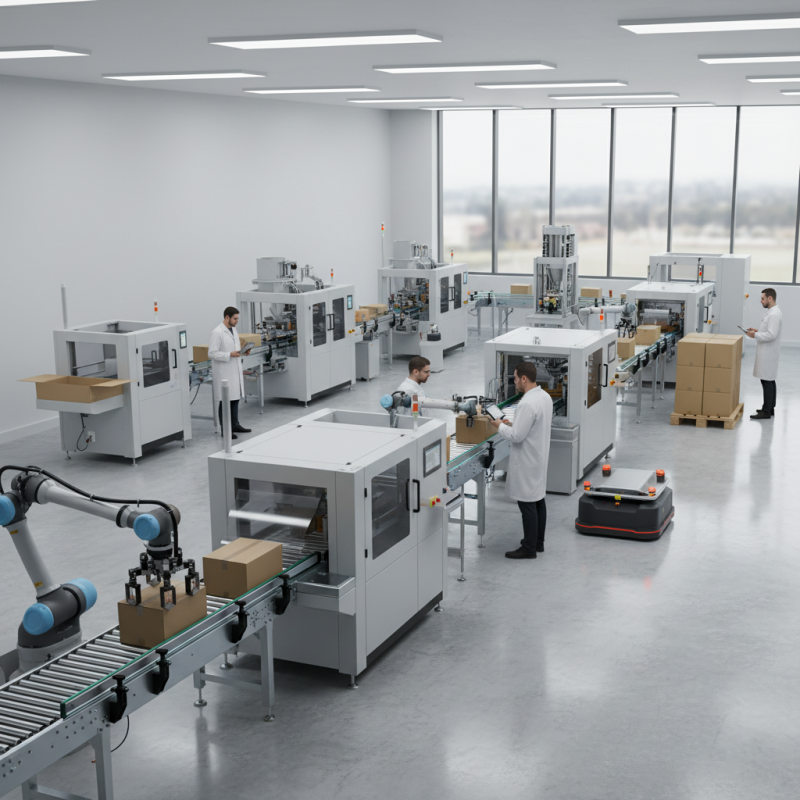
Automated packaging equipment has transformed the way industries handle their products. These machines save time and labor, creating a streamlined process for packaging. They can handle various materials, from plastic to paper. Each piece of equipment has a unique role in the packaging line. Filling machines, for example, assist in precise portioning. They can fill thousands of containers daily.
However, the implementation of automated solutions is not without challenges. The initial setup can be costly. Transitioning from manual to automated systems may disrupt production. Training staff to manage these machines requires time and dedication. Integration with existing processes can also pose problems. Each project demands a customized approach.
Observing how these systems operate can provide valuable insights. Even minor adjustments can greatly enhance efficiency. For instance, ensuring regular maintenance can prevent breakdowns. Not all designs fit every production line. Assessing compatibility is crucial. The evolution of packaging technology continues. Companies must stay informed about new developments to remain competitive. Embracing automation brings both opportunities and responsibilities.
Top 10 Automated Packaging Equipment Solutions for Efficient Packaging
| Equipment Type |
Speed (Units/Minute) |
Automation Level |
Primary Use |
Key Feature |
| Case Sealer |
20-30 |
Semi-Automatic |
Sealing Boxes |
Adjustable Speed |
| Wrapping Machine |
15-25 |
Fully Automatic |
Product Wrapping |
Film Detection |
| Labeling Machine |
30-50 |
Automatic |
Label Application |
High Precision |
| Filling Machine |
20-60 |
Automatic |
Liquid Filling |
Adjustable Nozzle |
| Palletizer |
10-20 |
Fully Automatic |
Box Stacking |
Robotic Arm |
| Strapping Machine |
20-40 |
Automatic |
Strapping Products |
Heat Sealing |
| Shrink Tunnel |
10-30 |
Automatic |
Shrink Wrapping |
Variable Temperature |
| Carton Erector |
15-35 |
Automatic |
Carton Assembly |
Quick Changeover |
| Conveyor System |
Varied |
Semi-Automatic |
Product Transport |
Modular Design |
| Multi-Purpose Machine |
20-50 |
Flexible Automation |
Various Packaging |
Customizable Options |
Benefits of Automating Packaging Processes
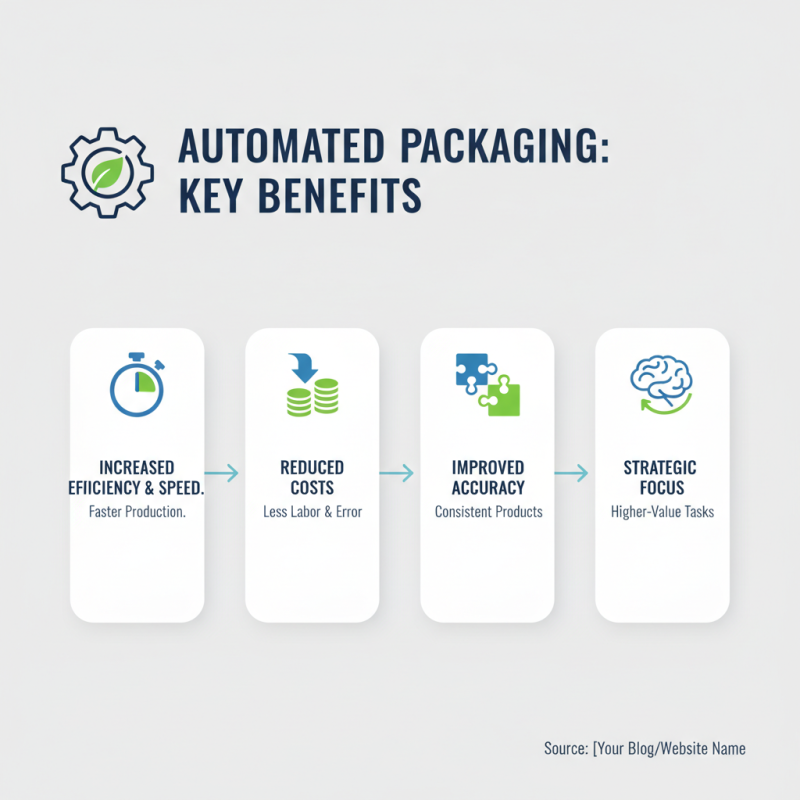
Automating packaging processes enhances efficiency and reduces labor costs. Businesses can minimize human error, leading to better product consistency. This shift saves time and resources, allowing teams to focus on higher-value tasks. Moreover, automation can increase production speed, fulfilling orders faster than manual methods.
Tips: Evaluate your current processes. Identify bottlenecks that slow down your operation. Consider small automation solutions that fit your needs. Start with one area to pilot the change. Monitor the results before expanding.
Additionally, automated systems provide better tracking and data collection. Organizations can analyze performance metrics for continuous improvement. However, it’s essential to evaluate the upfront investment against long-term savings. Not every solution works for every business; it’s vital to reflect on your specific context and goals.
Tips: Encourage feedback from employees during the transition. Their insights can highlight unforeseen challenges. Keep communication open to ease the adjustment. This fosters a smoother integration of new technology.
Key Features to Consider in Packaging Solutions
Choosing the right automated packaging equipment can be overwhelming. There are several key features to consider to ensure optimal performance. Efficiency is paramount. Look for machines that streamline the packing process while reducing labor costs. Quick changeover times are also essential. A machine that can easily adapt to different products saves time during production.
Another important aspect is the machine’s adaptability. The equipment should handle various package formats and sizes. This flexibility allows businesses to meet changing demands. Monitoring and diagnostic features are also crucial. They help identify issues before they escalate. A machine that can self-diagnose may prevent costly downtime.
Lastly, consider sustainability. Eco-friendly packaging solutions are becoming more popular. Automated machines that use minimal materials can reduce waste. However, integrating these features may require further reflection. Balancing efficiency and sustainability isn’t always straightforward. It’s vital to weigh the benefits against the potential costs. Finding the right packaging solution requires careful thought and consideration.
Top 10 Automated Packaging Equipment Solutions for Efficient Packaging
This chart illustrates the efficiency of different automated packaging solutions based on their speed (packages per minute) and accuracy (percentage of correctly packaged items). The data represents the performance of various equipment types commonly used in the industry.
Top 10 Automated Packaging Equipment Solutions
Automated packaging solutions play a crucial role in modern industries. They streamline processes and reduce labor costs. The effectiveness of these systems can vary. Some may not meet specific needs. It's essential to assess the requirements before making a decision.
One popular option is the robotic arm. It can handle various package sizes and shapes. However, it requires regular maintenance. Another solution is the case erector, which speeds up the carton assembly process. Yet, it may struggle with non-standard packaging materials.
Choosing the right equipment is key. It can enhance productivity but also needs careful planning. Understanding the limitations of each system is vital. Businesses may find it beneficial to prototype systems. This testing phase can reveal hidden issues. Packing efficiency can improve with the right approach.
Future Trends in Automated Packaging Technology
The landscape of automated packaging technology is rapidly evolving. Companies strive to enhance efficiency and reduce costs. However, many face challenges adapting to new systems. Integrating advanced machinery can be complex. Staff training is often overlooked, leading to operational hiccups.
Emerging trends highlight the importance of flexibility. Equipment needs to accommodate various products. This shift requires manufacturers to design versatile solutions. Sustainable practices are also gaining traction. Eco-friendly materials are becoming crucial. Yet, implementation often encounters resistance due to higher costs.
Data-driven insights play a vital role. Analyzing packaging processes can reveal inefficiencies. However, many businesses still depend on outdated methods. Adopting real-time monitoring could enhance productivity. The future of packaging holds promise, but only if companies are willing to embrace change.