2026 Best Industrial Packaging Solutions for Sustainable Business Growth

In the rapidly evolving landscape of industrial packaging, sustainability has emerged as a crucial factor for business growth. According to a recent report from Smithers Pira, the global market for sustainable packaging is expected to reach $450 billion by 2026. This highlights the increasing demand for eco-friendly industrial packaging solutions that not only protect products but also address environmental concerns.

Industry expert Dr. Emily Carter states, "Innovative industrial packaging is vital for companies aiming to enhance their sustainability profile." Her insight reflects the pressing need for businesses to adopt packaging solutions that minimize waste and reduce carbon footprints. Companies are actively seeking eco-conscious materials and methods, spurred by both regulatory pressures and consumer preferences.

However, striking a balance between functionality and sustainability remains a challenge. Many businesses grapple with the complexities of sourcing sustainable materials without inflating costs. This creates a space for innovation but also necessitates reflection on existing practices. The industrial packaging sector is at a crossroads, where failure to adapt could lead to missed opportunities for growth in this burgeoning market.
2026 Best Industrial Packaging Solutions for Sustainable Business Growth

Best Practices for Selecting Eco-Friendly Industrial Packaging Materials

Selecting eco-friendly industrial packaging materials is crucial for sustainable growth. A recent report by the Sustainable Packaging Coalition states that 78% of manufacturers prioritize sustainability in their packaging decisions. This shift reflects a growing awareness of environmental impacts. Companies must consider life cycle assessments. This process evaluates the total environmental costs of materials from production to disposal.

Many businesses overlook the importance of sourcing. For instance, recycled content is often underutilized. Reports show that using recycled paper can reduce carbon emissions by up to 75%. Yet, many firms hesitate to adopt this practice. This reluctance stems from concerns about quality and performance. However, advancements in technology have improved the reliability of these materials significantly.

The choice of materials shouldn’t be the only focus. Companies must also analyze shipping and storage requirements. Compact packaging can lead to reduced transportation costs and lower carbon footprints. The research indicates that optimizing packaging size can save up to 30% in logistics. However, many companies still struggle to balance cost with sustainability. The challenge remains in finding solutions that satisfy both economic and eco-friendly goals.
2026 Best Industrial Packaging Solutions for Sustainable Business Growth

Impact of Sustainable Packaging on Supply Chain Efficiency and Cost Savings

2026 Best Industrial Packaging Solutions for Sustainable Business Growth

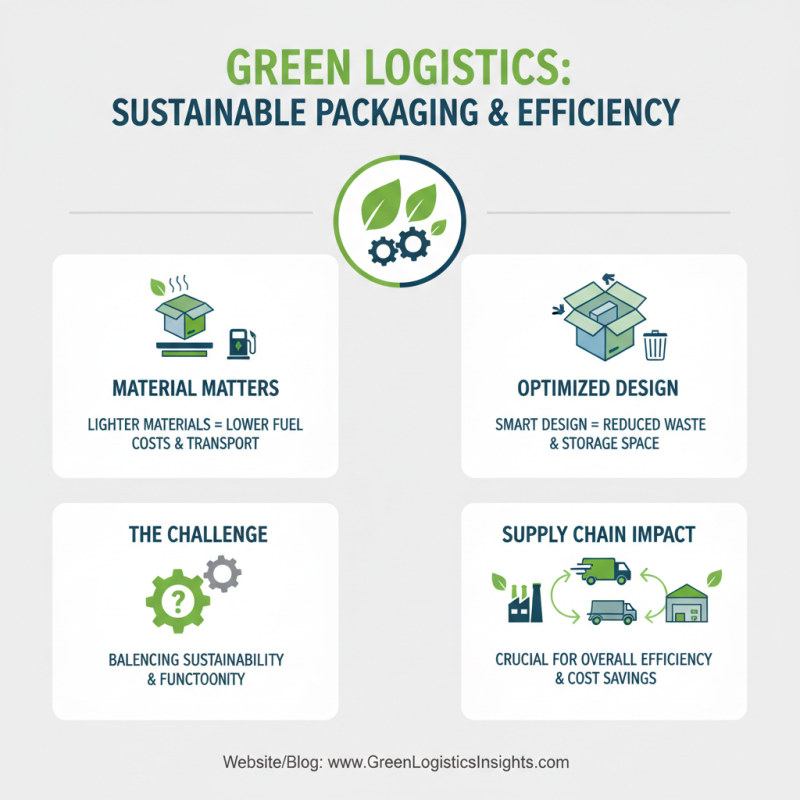
Sustainable packaging plays a crucial role in supply chain efficiency. The choice of materials affects transportation and storage costs. Lighter packaging means lower fuel consumption. Better design can lead to reduced waste. However, transitions can be challenging. Finding the right balance between sustainability and functionality is not easy.

Cost savings are often seen through reduced material waste. Choosing recyclable or biodegradable materials can lower disposal fees. Automation in packaging processes can further enhance efficiency. Yet, implementation can require significant upfront investment. Companies must evaluate long-term benefits against initial costs.

Many businesses hesitate under perceived risks. Would consumers accept new packaging? Can supply partners adapt? These questions linger, but the potential gains are significant. Effective sustainable packaging can drive brand loyalty. It reflects a commitment to environmental responsibility, possibly boosting sales. This shift is not just a trend; it’s essential for future growth.

Innovative Technologies Driving Sustainable Industrial Packaging Solutions

Innovative technologies are reshaping the landscape of industrial packaging. Companies are turning to sustainable materials, such as biodegradable polymers and recycled cardboard. These options reduce waste and lower carbon footprints. However, not every solution is perfect. Biodegradable materials may not suit all products, raising questions about performance and longevity.

Automation plays a key role in modern packaging solutions. Smart machines optimize production efficiency and reduce manual errors. Yet, integrating new technology can be challenging. Companies face initial costs and training requirements. Staff may resist changes, causing delays in implementation. The balance between innovation and usability remains a point of reflection.

Emerging technologies like AI and IoT are driving packaging forward. They enable real-time tracking and enhanced supply chain management. Still, data security emerges as a concern. Protecting sensitive information should not be overlooked. As businesses embrace these advancements, careful planning is essential to harness their full potential. The journey toward sustainable industrial packaging is ongoing, inviting collaboration and continuous improvement.

Case Studies: Successful Implementation of Green Packaging in Industries

In recent years, various industries have embraced green packaging as a sustainable solution. Case studies reveal notable successes. For instance, the food industry has adopted biodegradable materials. According to a recent report by Smithers Pira, the market for sustainable packaging is expected to reach $500 billion by 2026. This shows a strong trend towards environmentally friendly options.

One intriguing example comes from the retail sector. A major retailer implemented compostable bags in their stores. Initial reactions were mixed, with some customers expressing concerns about durability. However, sales increased by 20% after the switch. This highlights the potential for green packaging to improve business performance while addressing environmental concerns.

Another case involves electronics. A leading manufacturer began using recycled materials for packaging. Early research showed that 70% of consumers prefer brands with eco-friendly practices. Still, challenges remain. Some packaging still lacks functionality, leading to product damage during shipping. Companies need to find a balance between sustainability and protecting their products. As industries innovate, there are lessons to learn from these implementations.

2026 Best Industrial Packaging Solutions for Sustainable Business Growth

Industry Packaging Type Sustainability Feature Impact on Growth (%) Year of Implementation
Food & Beverage Compostable Pouches 100% Biodegradable 15 2024
Electronics Recycled Cardboard Boxes Made from Post-Consumer Waste 10 2025
Cosmetics Glass Refill Containers Reusable & Recyclable 20 2023
Pharmaceuticals Biodegradable Blisters Fully Decomposable 12 2025
Textiles Organic Cotton Bags Sustainable Material 18 2024

Market Trends: The Growth of Sustainable Packaging in 2026 and Beyond

2026 Best Industrial Packaging Solutions for Sustainable Business Growth

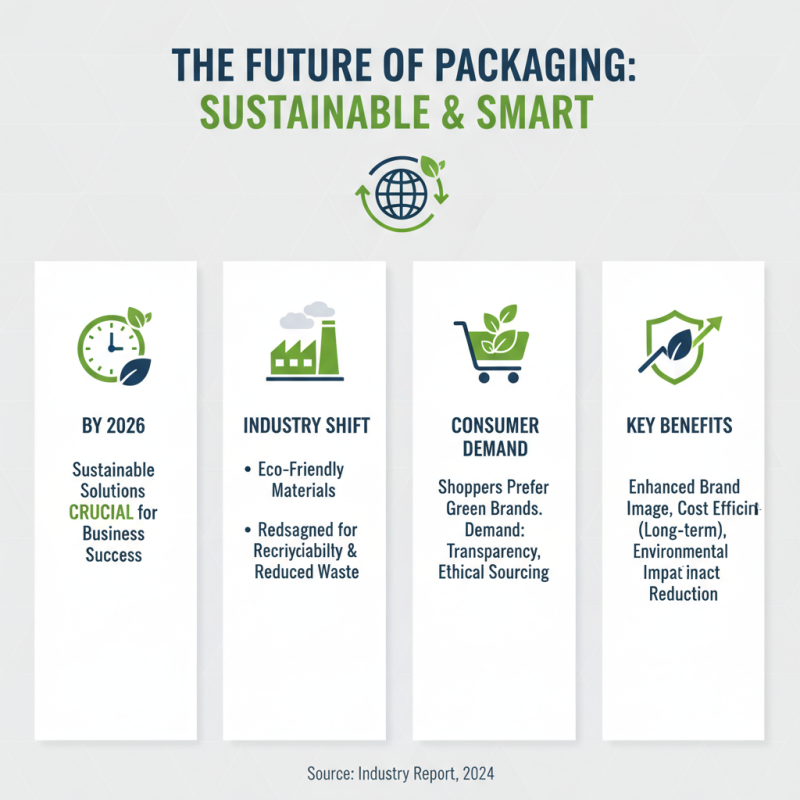
The packaging industry is shifting. By 2026, sustainable solutions will play a crucial role in business success. Companies are embracing eco-friendly materials. They are redesigning packaging for recyclability and reduced waste. This trend reflects growing consumer awareness. Shoppers prefer brands that respect the planet. They demand transparency in sourcing and production.

As businesses adapt, many face challenges. Finding the right materials can be difficult. Not all sustainable options work for every product. Some packages may still contribute to waste. Testing different solutions is essential. Companies must consider cost-effectiveness, too. It’s a balancing act between sustainability and affordability.

Consumer expectations are evolving. Today’s buyers are informed and vocal. They identify brands that don’t meet their values. Brands must listen actively to feedback. If they fall behind, market share will be lost. This growing demand is an opportunity for innovative mindsets. Creating an adaptable approach is key to thriving in this competitive landscape. Emphasizing sustainability is more than a trend; it’s a new standard.